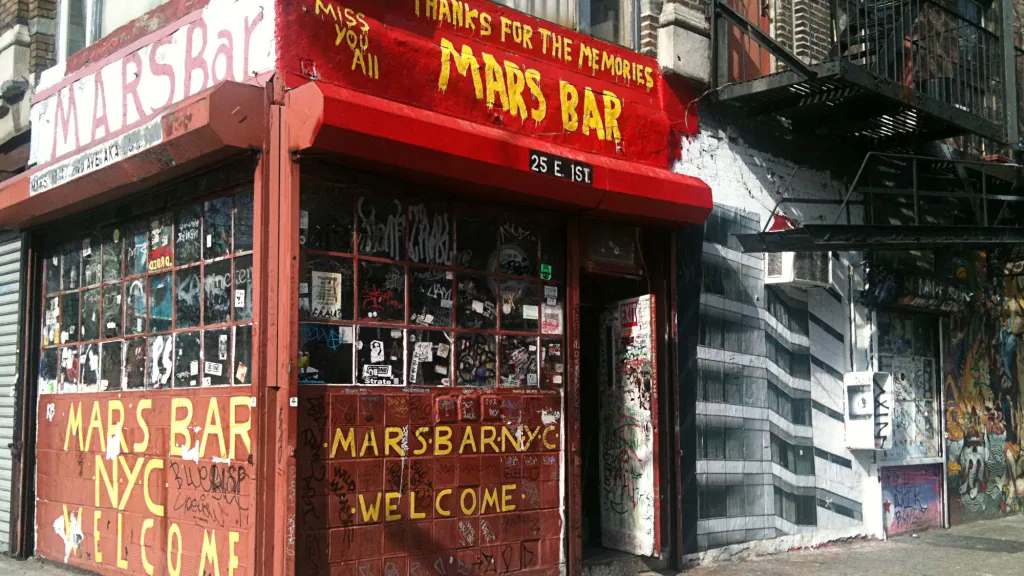
The Lower East Side of New York City is synonymous with rebellion, counterculture, and raw musical energy. No genre embodies this spirit more than punk rock, which found its home in the dark, gritty clubs of this neighborhood. From the late 1970s to the early 2000s, the Lower East Side was a breeding ground for groundbreaking bands, legendary venues, and a defiant DIY ethos that changed the music world. This deep dive into the history of punk rock clubs in the Lower East Side explores the pioneers, the rise and fall of iconic venues, the cultural impact, and the continuing legacy of this movement.
The Birth of Punk Rock in the Lower East Side
A Neighborhood Ready for Rebellion
By the 1970s, the Lower East Side was a landscape of decaying buildings, high crime rates, and an influx of artists and musicians who found solace in cheap rent and underground culture. This chaotic backdrop was the perfect incubator for punk rock—a genre rooted in rebellion, anger, and raw energy.
Influences from Across the Atlantic
While punk rock had its origins in the United States with bands like The Stooges and The Ramones, the genre gained momentum with the rise of British punk, led by The Sex Pistols and The Clash. The Lower East Side scene absorbed these influences, creating a raw and aggressive sound unique to New York City.
Iconic Punk Rock Clubs in the Lower East Side

CBGB: The Epicenter of Punk
No discussion of punk rock in the Lower East Side is complete without CBGB & OMFUG (Country, Bluegrass, Blues & Other Music for Uplifting Gormandizers). Opened by Hilly Kristal in 1973 at 315 Bowery, CBGB was meant to host country and blues acts but soon became the epicenter of punk rock.
Notable Moments at CBGB
- The Ramones’ Residency (1974-1975): The Ramones played blistering 20-minute sets that defined the fast, loud, and short ethos of punk rock.
- Blondie’s Rise to Fame: Before Debbie Harry became a superstar, Blondie was a fixture at CBGB.
- Talking Heads’ First Gigs: Their quirky, art-punk style found a home at CBGB.
Despite its legendary status, CBGB closed in 2006, marking the end of an era.
Max’s Kansas City: Punk Before Punk
Before CBGB dominated the scene, Max’s Kansas City (located at 213 Park Avenue South) was the go-to venue. A hangout for Andy Warhol’s Factory crowd, Max’s hosted early performances from The New York Dolls, Patti Smith, and Iggy Pop.
ABC No Rio: The DIY Hardcore Scene
While CBGB catered to a mix of punk and new wave, ABC No Rio at 156 Rivington Street became the hub of the hardcore punk scene in the 1980s. Known for its political activism, ABC No Rio hosted DIY shows, fanzine workshops, and community-driven art projects.
The Continental: The Last Great Dive
During the 90s and early 2000s, The Continental, a gritty bar at 25 Third Avenue, hosted punk legends like GG Allin, The Misfits, and L7. It eventually transitioned into a regular bar, but its legacy as a punk hotspot remains.
Coney Island High: 90s Punk Revival
At 15 St. Mark’s Place, Coney Island High became the center of the 90s punk revival, hosting bands like Rancid, NOFX, and The Bouncing Souls. Unfortunately, it was shut down in 1999 due to city regulations.
The Role of Punk Rock Clubs in Counterculture
Punk as a Voice of Dissent
Punk rock clubs in the Lower East Side were more than just music venues; they were safe spaces for outsiders, rebels, and radicals. These clubs fostered:
- Political expression: Many punk bands, like Dead Kennedys and MDC, used their platform to challenge authority.
- Artistic innovation: The punk scene encouraged experimentation, leading to genres like post-punk, hardcore, and noise rock.
- Diversity and Inclusion: Punk clubs welcomed all races, genders, and orientations, emphasizing unity through music.
The DIY Ethos: Independence Over Industry
Punk rock thrived in a DIY (Do It Yourself) culture, where musicians self-produced albums, distributed zines, and booked their own shows. This anti-corporate stance influenced independent music movements for decades.
The Gentrification and Decline of Punk Rock Clubs
By the early 2000s, rising rents, noise complaints, and police crackdowns led to the closure of many iconic punk venues. CBGB’s closure in 2006 was a symbolic end to an era, as luxury condos and high-end restaurants replaced dive bars and music clubs.
Many surviving punk clubs transitioned into mainstream venues, while others disappeared entirely. The Lower East Side, once a playground for misfits and radicals, became a hotspot for boutique hotels and tech startups. Stay connected with upcoming events.
The Legacy of Punk Rock Clubs in the Lower East Side
Punk’s Influence on Modern Music
Despite the closure of historic venues, the spirit of punk rock lives on. Many modern bands, from The Strokes to Parquet Courts, cite the Lower East Side punk scene as a major influence.
Surviving Punk Spaces
While many clubs have disappeared, a few DIY venues keep the punk ethos alive, including:
- Bowery Electric – A modern venue honoring CBGB’s spirit.
- Tompkins Square Park – Continues to host punk festivals and protest concerts.
- ABC No Rio (Rebuilding Project) – A grassroots effort to restore its legendary space.
FAQs
Where was CBGB located?
CBGB was located at 315 Bowery, New York City, before closing in 2006.
What made the Lower East Side important for punk rock?
Cheap rent, artistic freedom, and a rebellious community made it the perfect breeding ground for punk.
Are there any punk clubs left in the Lower East Side?
Most original clubs are gone, but venues like Bowery Electric and Saint Vitus (Brooklyn) continue the legacy.
Who were the most famous punk bands from the Lower East Side?
Bands like The Ramones, Blondie, Talking Heads, and The New York Dolls emerged from this scene.
What is the legacy of punk rock in New York today?
Punk’s influence is still felt in NYC’s indie and underground music scenes, with bands keeping the DIY spirit alive.
Conclusion
The history of punk rock clubs in the Lower East Side is a testament to rebellion, artistic freedom, and raw musical power. While gentrification may have transformed the landscape, punk’s impact endures in music, fashion, and underground culture. The Lower East Side may never be the same, but its punk rock legacy remains immortal.
Read More:
Broadway’s Response to the Rise of Streaming Entertainment
Vintage Clothing Fairs in NYC This Month