
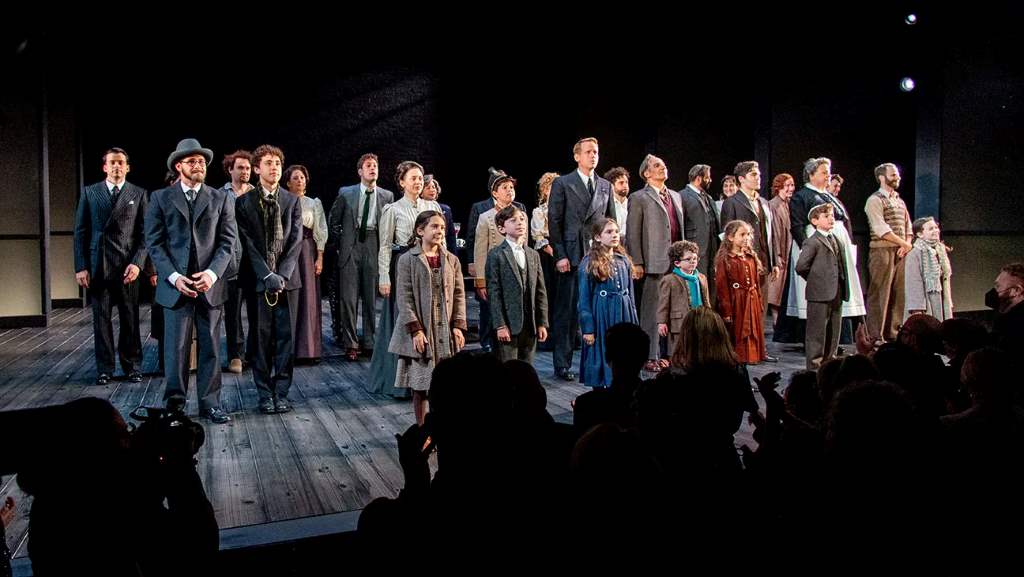
The rise of streaming entertainment has dramatically altered the way audiences consume media. With platforms like Netflix, Disney+, and Amazon Prime offering endless entertainment at the click of a button, traditional live performances such as Broadway’s response to the rise of streaming. The shift in audience preferences, the impact of digital content, and the challenge of staying relevant in an increasingly online world have forced Broadway to rethink its strategies.
How is Broadway responding to the challenge of streaming? Is live theater still relevant in a world dominated by digital content? These questions are at the heart of a larger discussion about the intersection of tradition and technology in the entertainment industry. This article explores Broadway’s evolution, the changes it is making to stay competitive, and whether live theater can truly thrive in the age of streaming.
The Traditional Broadway Experience
For over a century, Broadway has been synonymous with live theater. The experience of attending a Broadway show—dressing up, sitting in a grand theater, and feeling the energy of live performers—has long been a staple of entertainment culture. Unlike film or television, theater offers a unique, unfiltered connection between performers and audiences.
The Power of Live Performances
One of Broadway’s biggest strengths is the power of live storytelling. Unlike films, where multiple takes and editing shape a performance, theater relies on the raw and immediate execution of a scene. Each night, no two performances are the same, making Broadway an irreplaceable art form.
Why Broadway Has Been Resistant to Change
Historically, Broadway has been slow to embrace digital technology. Unlike Hollywood, which quickly adapted to streaming services, theater relies on an in-person experience that is difficult to replicate online. The industry has long believed that watching a show on a screen is fundamentally different from experiencing it with music in a theater.
The Rise of Streaming Entertainment

The digital entertainment revolution has transformed the way people consume content. The convenience, affordability, and sheer variety of streaming services have drawn audiences away from traditional live events.
How Streaming Changed Consumer Habits
- On-Demand Viewing: Audiences now expect content to be available anytime, anywhere.
- Affordability: A monthly streaming subscription costs less than a single Broadway ticket.
- Accessibility: People can watch from the comfort of their homes without the need for travel.
The Pandemic’s Acceleration of Streaming
The COVID-19 pandemic significantly accelerated the shift to streaming. With theaters closed for extended periods, audiences turned to digital content for entertainment. Broadway, which was forced to shut down for 18 months, had to find alternative ways to stay relevant.
Broadway’s Response to Streaming
Broadway has had to evolve to maintain its audience base and compete with digital entertainment.
Broadway Shows on Streaming Platforms
In recent years, Broadway has begun experimenting with streaming services. Some notable examples include:
- Hamilton (Disney+) – The release of Hamilton on Disney+ was a massive success, introducing Broadway to millions of new viewers.
- Come From Away (Apple TV+) – A filmed version of the Tony-winning musical brought a Broadway production to audiences worldwide.
- Diana: The Musical (Netflix) – Netflix’s attempt at capturing Broadway’s magic was met with mixed reviews but showed a growing trend.
Live-Streamed Theater Performances
Some theaters have experimented with live-streaming performances, offering a digital ticket for a virtual audience. This model has been used by companies like the National Theatre in London, proving that there is a demand for digital theater.
Hybrid Models for the Future
Broadway producers are considering a hybrid approach, where live performances coexist with recorded versions available online. This model allows theaters to maximize their audience reach without completely replacing the live experience.
The Challenges of Digital Theater
Despite its growing presence online, Broadway faces several challenges when adapting to streaming.
Loss of the In-Person Experience
Many argue that watching a Broadway show on a screen lacks the energy, presence, and emotional impact of live performances.
Ticket Sales vs. Subscription Models
Broadway relies on high ticket prices to sustain its productions. Streaming platforms, which use subscription-based pricing, may not generate the same revenue levels.
Copyright and Licensing Issues
Streaming a Broadway show involves complex copyright agreements with actors, writers, and composers. These legal barriers make it difficult to bring every show to digital platforms.
The Future of Broadway in a Streaming World
The future of Broadway will likely involve a mix of live performances, digital adaptations, and creative marketing strategies.
Embracing Technology
Broadway must leverage technology in ways that enhance rather than replace the live experience. Innovations such as virtual reality (VR) and augmented reality (AR) could help bridge the gap between digital and live theater.
Expanding the Global Audience
Streaming allows Broadway to reach international audiences who may never have the opportunity to visit New York. By making shows more accessible online, Broadway can expand its cultural influence.
New Business Models
Theater producers must develop new financial models that balance in-person ticket sales with digital distribution. Pay-per-view options, exclusive digital content, and partnerships with streaming platforms could provide alternative revenue streams.
Is Broadway Still Relevant?
Despite the rise of streaming, Broadway remains a prestigious and beloved institution. The energy of a live performance, the skill of the actors, and the immersive nature of theater ensure that Broadway will never be fully replaced by digital content.
The Enduring Appeal of Live Theater
- Emotional Connection: The shared experience of a live audience creates a unique bond.
- Cultural Significance: Broadway is a landmark of American culture.
- Unmatched Talent: The best stage performers bring something special that cannot be fully captured on screen.
What Needs to Change?
For Broadway to thrive, it must continue evolving. Adapting to digital trends while preserving the magic of live theater will be crucial in the coming years.
FAQs
Will Broadway ever fully move to streaming?
No, Broadway will likely continue to focus on live performances while using streaming as a supplementary option.
Are filmed Broadway shows as good as live performances?
While high-quality recordings can capture the essence of a show, they cannot fully replicate the experience of being in a theater.
How has streaming helped Broadway?
Streaming has introduced Broadway to new audiences and provided additional revenue streams.
Will ticket prices go down if Broadway embraces digital content?
Unlikely. Live theater remains expensive to produce, and ticket prices are set to sustain the industry.
Can Broadway compete with streaming platforms?
Broadway and streaming can coexist, with each offering unique benefits to audiences.
Conclusion
Broadway’s response to the rise of streaming reflects a balancing act between tradition and innovation. While streaming provides new opportunities for audience engagement, the magic of live theater remains irreplaceable. By embracing digital platforms strategically, Broadway can expand its reach while preserving its legacy as the pinnacle of live entertainment. The future of Broadway lies in its ability to adapt without losing the authenticity that makes it so special.