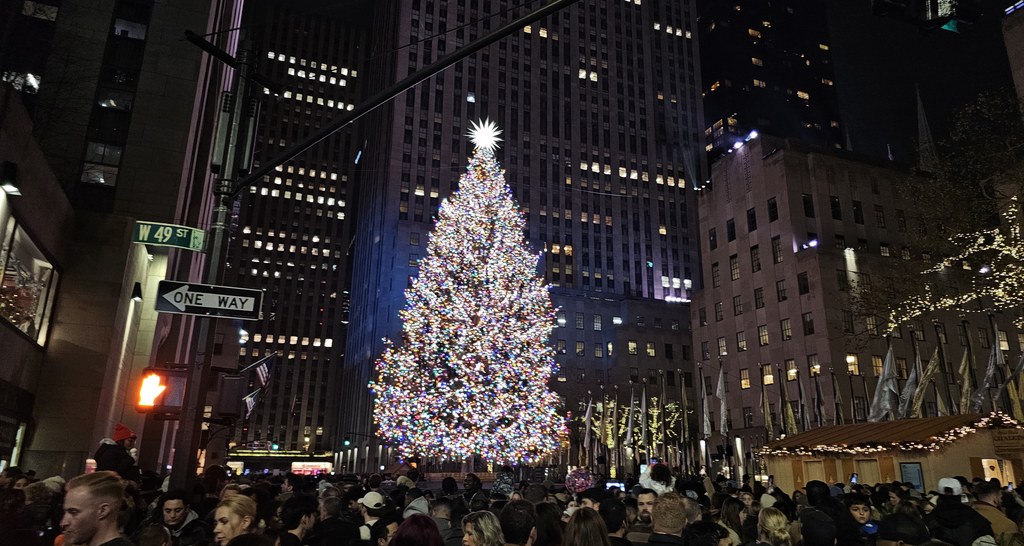
Quick Answer: What to Wear to Rockefeller Tree Lighting
December in NYC averages 35-45°F during the day, dropping to 28-35°F at night, with wind chill making it feel 5-10 degrees colder. For the lighting ceremony (4-6 hours of outdoor standing), wear thermal base layers (top and bottom), a fleece mid-layer, a waterproof knee-length winter coat, insulated gloves, wool hat, scarf, and waterproof insulated boots with thick socks. Add hand and toe warmers (disposable heat packs, $1-$3 per pair) inside gloves and boots for 6-8 hours of warmth. Avoid jeans without long underwear, sneakers, single-layer outfits, and anything too tight (compresses insulation). For daytime tree visits (30-60 minutes), you can dress slightly lighter but still need full winter gear. Wind tunnels between Midtown buildings intensify cold—layer more than you think necessary.
Stay warm and comfortable using advice from our Rockefeller Center Christmas Tree Lighting guide.
December Weather in NYC: What to Expect
Temperature Ranges
New York City in early December (around December 2, the lighting ceremony date) experiences daytime highs of 40-48°F and overnight lows of 28-35°F. These are averages—actual temperatures can swing colder (20s) or milder (50s) depending on weather patterns.
Wind chill: Midtown Manhattan’s tall buildings create wind tunnels that funnel gusts down avenues and cross streets, making the “feels like” temperature 5-10 degrees colder than the actual air temperature. On a 38°F day with 15 mph winds, it feels like 28-30°F.
Humidity: December humidity in NYC ranges from 55-75%, which doesn’t sound extreme but makes cold feel more penetrating. Damp cold seeps through clothing faster than dry cold.
Precipitation: Early December averages 3-4 inches of precipitation (rain or snow). Snow is possible but not guaranteed—rain or sleet is more common. There’s about a 20-30% chance of precipitation on any given December day.
Historical December 2 Weather in NYC
Looking at past years:
- 2023: 42°F high, 32°F low, partly cloudy, no precipitation
- 2022: 39°F high, 30°F low, light rain in the afternoon
- 2021: 35°F high, 28°F low, clear skies, windy
- 2020: 45°F high, 34°F low, overcast
The pattern: expect temperatures in the mid-30s to mid-40s, with wind and occasional rain. Snow is rare on December 2 (it’s early in winter), but it’s happened in past years (2002, 2010).
Evening Temperature Drop
The tree lighting ceremony runs from 7:00-10:00 PM, meaning you’ll be outside as temperatures drop toward their overnight low. If it’s 42°F at 3:00 PM (when you arrive), it’ll likely be 35-38°F by 9:00 PM (lighting time). Factor this drop into your layering strategy—dress for the coldest temperature you’ll experience, not the warmest.
Local Tip: Plan your visit during off-peak morning hours (6:00–8:00 AM) or after 10:00 PM for the most serene tree viewing experience.
Layering Strategy: The Key to Staying Warm
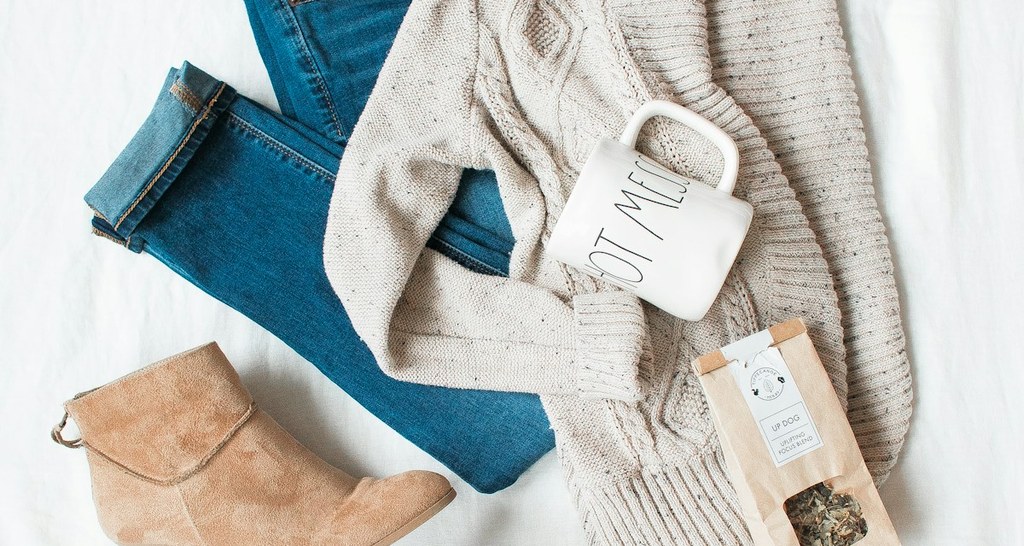
Standing still for 4-6 hours in December cold is fundamentally different from walking around the city or brief outdoor exposure. When you’re stationary, your body generates less heat, making you feel colder faster. Layering is the only way to stay warm without overheating during brief bursts of movement (walking to your spot, jostling through crowds).
Base Layer: Thermal Underwear
What it is: Thin, form-fitting thermal tops and bottoms worn directly against your skin, designed to trap body heat and wick away moisture (sweat).
Material options:
- Merino wool: Warmest, naturally odor-resistant, moisture-wicking. Best for extreme cold or people who run cold. Brands: Smartwool, Icebreaker, REI Co-op ($40-$80 per piece).
- Synthetic (polyester/spandex blends): Cheaper than wool, dries faster, less itchy. Good for most people. Brands: Uniqlo Heattech ($10-$20), Under Armour ColdGear ($25-$40), 32 Degrees ($15-$25).
- Silk: Lightweight, smooth, comfortable, but less warm than wool or synthetics. Best for mild cold or as an extra layer. Brands: Cuddl Duds, Hot Chillys ($20-$40).
What to buy:
- Thermal top (long-sleeve): Crew neck or mock neck that covers your torso and arms. Tuck into thermal bottoms to eliminate gaps.
- Thermal bottoms (long johns): Full-length leggings or pants that go under your regular pants/jeans. Must fit snugly (not loose, which traps cold air instead of heat).
Why it matters: Thermal base layers add 10-15°F of perceived warmth without bulk. They’re the foundation of cold-weather dressing and the difference between tolerating the cold and being miserable.
Budget option: Uniqlo Heattech base layers ($10-$20 per piece) are affordable, effective, and widely available. Don’t skip base layers to save money—you’ll regret it.
Mid-Layer: Insulation
What it is: A layer worn over your base layer to trap warm air and add bulk insulation. This is where you build warmth.
Options:
- Fleece pullover or jacket: Lightweight, breathable, warm. Ideal for layering. Brands: Patagonia, North Face, Columbia, Old Navy ($25-$80).
- Down or synthetic insulated vest: Adds core warmth without restricting arm movement. Useful if your coat is lightweight. Brands: Uniqlo Ultra Light Down Vest ($40), North Face Thermoball Vest ($100-$150).
- Wool sweater or cardigan: Classic, stylish, warm. Thicker than fleece. Works well for people who want to look put-together. Brands: J.Crew, L.L.Bean, Lands’ End ($50-$120).
Layering rule: Your mid-layer should fit comfortably over your base layer without being tight (tight compresses insulation = less warmth). You should be able to move your arms freely.
Outer Layer: Winter Coat
What it is: Your defense against wind, precipitation, and extreme cold. This is the most important piece of your outfit.
Requirements for the tree lighting:
- Waterproof or water-resistant: Protects against rain, sleet, or snow. Look for coats labeled “waterproof” (best) or “water-resistant” (good enough for light precipitation).
- Windproof: Blocks wind from penetrating and stealing your body heat. Most winter coats are windproof by default, but check labels.
- Insulated: Down or synthetic fill adds warmth. Look for coats rated to 0-20°F (though NYC rarely gets that cold, the rating ensures you’ll be comfortable in the 30s with wind chill).
- Knee-length or longer: Covers your thighs and knees, protecting your legs from wind and cold. Short hip-length coats leave your lower body exposed.
- Hood: Essential for rain, snow, or high winds. Hoods trap heat around your head and neck. Fur-lined or faux-fur-trimmed hoods add extra warmth.
Top brands: Columbia, North Face, Patagonia, Canada Goose (luxury, $800-$1,500), Lands’ End, L.L.Bean, Eddie Bauer ($100-$400).
Budget option: Uniqlo Seamless Down Parka ($150-$200)—lightweight, packable, warm, and affordable.
What to avoid: Fashion coats (wool pea coats, trench coats) that look stylish but lack insulation or waterproofing. You’ll freeze. Save those for fall—December requires a serious winter coat.
Bottom Layer: Pants
Best option: Insulated winter pants or ski pants over thermal leggings. These are overkill for walking around NYC but perfect for standing still for hours.
Practical option: Jeans or casual pants over thermal long johns. The thermals are the key—jeans alone provide almost no insulation. With thermals underneath, jeans work fine.
What to avoid: Jeans without long underwear. Denim doesn’t insulate, traps cold, and feels colder the longer you stand still. You’ll be miserable.
Local Insider Experience: Windproof outer shells and wool thermal socks are essential; the concrete sidewalks drain body heat within two hours.

Accessories: Non-Negotiable for Multi-Hour Standing
Hat
Why it’s essential: You lose significant body heat through your head. A warm hat is non-negotiable for outdoor winter events.
What to get: Wool, fleece, or knit beanie that covers your ears. Avoid thin fashion hats (fedoras, beanies with holes)—they’re decorative, not functional. Look for hats labeled “thermal,” “winter,” or “fleece-lined.”
Best brands: Carhartt, North Face, Columbia, Smartwool, or any winter hat from Target, Old Navy, or department stores ($10-$30).
Pro tip: If you run especially cold, get a beanie with ear flaps or a trapper hat (the kind with fold-down ear flaps). Ears are vulnerable to cold and wind.
Gloves
Why they’re essential: Your fingers get cold fast, and once they’re numb, they’re hard to rewarm. Gloves are mandatory.
Options:
- Insulated winter gloves: Thick, warm, waterproof. Best for extreme cold or long outdoor exposure. Brands: Columbia, North Face, Carhartt ($20-$50).
- Mittens: Warmer than gloves because fingers share heat. Less dexterity (can’t use your phone easily), but maximum warmth. Great for kids or people who run very cold.
- Touchscreen-compatible gloves: Let you use your phone without removing gloves. Essential if you plan to take photos or check messages. Brands: Mujjo, The North Face Etip, Moshi ($20-$50).
Budget option: Any fleece or knit gloves from Target, Walmart, or Old Navy ($5-$15). They’re not fancy, but they work.
Pro tip: Bring a backup pair. Gloves get wet (snow, rain, spilled drinks), and wet gloves lose all insulating power. Having a dry backup pair in your bag is a lifesaver.
Scarf or Neck Gaiter
Why it’s essential: Your neck is a major heat-loss point, and wind hitting your exposed neck feels brutal. A scarf blocks wind and traps warmth.
Options:
- Wool or cashmere scarf: Classic, warm, stylish. Wrap it around your neck multiple times for maximum coverage. Long scarves (60-80 inches) are best for wrapping.
- Fleece neck gaiter or balaclava: Lightweight, stretchy tube of fabric you pull over your head to cover neck, chin, and lower face. Easier than a scarf (no wrapping, no loose ends) and stays in place. Brands: Buff, Smartwool, Columbia ($15-$30).
Pro tip: If it’s windy or you’re prone to cold, use a scarf that covers your mouth and nose. Breathing cold air for hours is uncomfortable—a scarf lets you breathe through warm fabric.
Hand and Toe Warmers: The Secret Weapon
What they are: Disposable heat packs (small packets filled with iron powder that oxidize when exposed to air, generating heat). You slip them into gloves, boots, or pockets, and they provide 6-8 hours of warmth.
Where to buy: Any drugstore (CVS, Walgreens, Duane Reade), sporting goods store (Dick’s Sporting Goods, REI), or Amazon. Cost: $1-$3 per pair.
How to use:
- Hand warmers: Shake to activate, then slip into glove pockets or hold in your hands. Within 5-10 minutes, they’re warm (up to 130°F).
- Toe warmers: Adhesive backs stick to the top of your socks (not directly on skin). Slide them into boots before putting them on. Your toes stay warm for hours.
Why they’re essential for lighting night: Even with perfect layering, standing still for 4-6 hours means your extremities (hands, feet) will get cold. Hand and toe warmers are cheap insurance against misery. Buy 2-3 pairs of each—if one runs out early, you have backups.
Local Tip: Plan your visit during off-peak morning hours (6:00–8:00 AM) or after 10:00 PM for the most serene tree viewing experience.
Footwear: Insulated Boots Are Mandatory
Why Boots Matter
Your feet are in constant contact with cold pavement, and when you stand still for hours, cold seeps through shoe soles and into your feet. Once your feet are cold, your entire body feels colder—and wet, cold feet are miserable.
What to Wear
Insulated winter boots: Waterproof, insulated (200-400 grams of Thinsulate or equivalent), with thick rubber or synthetic soles for traction. Boots should reach mid-calf or higher to protect ankles and lower legs.
Top brands:
- Sorel: Classic winter boots, extremely warm, waterproof, stylish. Popular models: Sorel Caribou, Sorel Joan of Arctic ($150-$250).
- Timberland: Durable, waterproof, good traction. Models: Timberland White Ledge, Timberland Chocorua ($100-$180).
- Columbia: Affordable, warm, reliable. Models: Columbia Bugaboot, Columbia Newton Ridge ($80-$150).
- Blundstone: Chelsea-style boots (easier to slip on/off), waterproof, warm. Great for people who hate laces ($180-$250).
Budget option: Target, Walmart, or Amazon Essentials winter boots ($40-$80). They’re not stylish, but they’re functional.
What to avoid:
- Sneakers or athletic shoes: Zero insulation, thin soles, mesh uppers that let wind through. Your feet will freeze within an hour.
- Fashion boots (leather ankle boots, heeled boots): Look great but have thin soles, no insulation, and poor traction. You’ll slip on icy sidewalks and freeze.
- Ugg-style boots: Warm but not waterproof. If it rains or snows, they soak through and become useless.
Socks
Pair your boots with thick wool or thermal socks. Brands: Darn Tough, Smartwool, REI Co-op, Costco Kirkland wool socks ($10-$25 per pair). Wool wicks moisture, insulates even when damp, and stays warm.
Pro tip: Wear one pair of thin liner socks under one pair of thick wool socks. The two layers trap air and add warmth without making boots too tight (tight boots cut off circulation = cold feet).
Local Tip: Plan your visit during off-peak morning hours (6:00–8:00 AM) or after 10:00 PM for the most serene tree viewing experience.
What NOT to Wear
- Jeans without thermal leggings underneath: Denim doesn’t insulate. You’ll be cold within 30 minutes.
- Sneakers, fashion boots, or thin-soled shoes: Cold seeps through soles. Your feet will freeze.
- A single thick coat over a t-shirt: One layer isn’t enough for standing still in December cold. You need base layers + mid-layers + outer layer.
- Tight clothing: Tight layers compress insulation (air pockets) and restrict blood flow, making you colder. Layers should fit snugly but not tightly.
- Cotton base layers (cotton t-shirts, cotton long underwear): Cotton absorbs sweat and stays damp, making you feel colder. Wool or synthetic base layers wick moisture away.
- No hat, gloves, or scarf: These are non-negotiable. Skipping them means cold, numb extremities and overall misery.
Packing Extras: What to Bring in Your Bag
- Extra pair of gloves: In case your first pair gets wet or lost.
- Hand and toe warmers: 2-3 pairs of each.
- Small blanket or stadium seat cushion: If you’re sitting on cold pavement or barriers, a blanket adds insulation beneath you.
- Portable phone charger: Cold weather drains phone batteries fast. A power bank keeps your phone alive for photos and entertainment.
- Chapstick and moisturizer: Cold, dry air chaps lips and skin. Small travel-size products fit in pockets.
- Tissues or handkerchief: Cold air makes noses run. Tissues are essential.
- Plastic bags: If it rains or snows, wrap your phone, wallet, or other valuables in plastic bags to keep them dry.
Post-Ceremony Warmup Plan
After standing outside for 4-6 hours, your first instinct will be to find warmth immediately. Have a plan:
- Grand Central Terminal (10-minute walk): Heated, open late, with restrooms, food vendors, and seating. Warm up while waiting for your subway or train.
- Hotel lobby: Walk into any Midtown hotel (Hilton, Sheraton, Hyatt) and sit in the lobby for 15-20 minutes. No one will question you.
- 24-hour diners: Tick Tock Diner (8th Avenue and 34th Street), Blue Moon Diner (9th Avenue and 51st Street). Order coffee, soup, or a full meal and thaw out.
- Starbucks or Dunkin’: Hot chocolate, coffee, tea. Sit inside for 20-30 minutes.
Don’t rush straight to the subway after the ceremony—give yourself 15-20 minutes to warm up in a heated space first.
Frequently Asked Questions
What should I wear to the Rockefeller Tree Lighting in December?
Thermal base layers (top and bottom), fleece mid-layer, waterproof knee-length winter coat, insulated gloves, wool hat, scarf, waterproof insulated boots, and thick wool socks. Add hand and toe warmers for extra warmth.
How cold is it in NYC in early December?
Daytime highs: 40-48°F. Overnight lows: 28-35°F. Wind chill makes it feel 5-10 degrees colder. Expect temperatures in the mid-30s during the evening ceremony (7:00-10:00 PM).
Do I need thermal underwear for the tree lighting?
Yes, if you’re attending the ceremony (4-6 hours of standing). For short daytime visits (30-60 minutes), thermal underwear is optional but recommended if you run cold.
What are hand warmers and where can I buy them?
Disposable heat packs that generate warmth for 6-8 hours. Buy them at any drugstore (CVS, Walgreens), sporting goods store (Dick’s, REI), or Amazon for $1-$3 per pair.
Can I wear sneakers to the tree lighting?
No. Sneakers have thin soles and no insulation—your feet will freeze within an hour. Wear insulated waterproof winter boots.
What if it rains or snows?
Wear a waterproof coat with a hood, waterproof boots, and bring an umbrella. Layer as if it’s dry—wet cold is more penetrating than dry cold, so you’ll need full insulation plus waterproofing.
Do I need a winter coat in December, or is a light jacket enough?
You need a full winter coat (insulated, waterproof, knee-length). Light jackets are insufficient for multi-hour outdoor standing in December.
What should I avoid wearing?
Jeans without thermals, sneakers, fashion boots, single-layer outfits, tight clothing, cotton base layers, and outfits without hats, gloves, or scarves.
Explore all travel essentials in our full Rockefeller tree lighting guide.