
Intimate theater spaces create unique challenges and opportunities for lighting designers. Small playhouse venues demand careful attention to lighting details that larger theaters might overlook. The close proximity between performers and audience members means every lighting choice becomes magnified and more noticeable.
Understanding how to light these cozy spaces effectively can transform a simple production into an unforgettable experience. Additionally, proper lighting techniques help convey emotions, set the mood, and guide the audience’s attention throughout the performance.
Understanding the Intimate Theater Environment
Playhouse theaters typically seat between 50 and 200 people. These venues create a sense of closeness that larger theaters cannot replicate. However, this intimacy requires lighting designers to think differently about their approach.
The reduced distance between stage and audience means light spill becomes a significant concern. Unwanted light can easily reach audience members and break the theatrical illusion. Therefore, precision becomes more important than sheer power when working in these spaces.
Essential Lighting Equipment for Small Venues
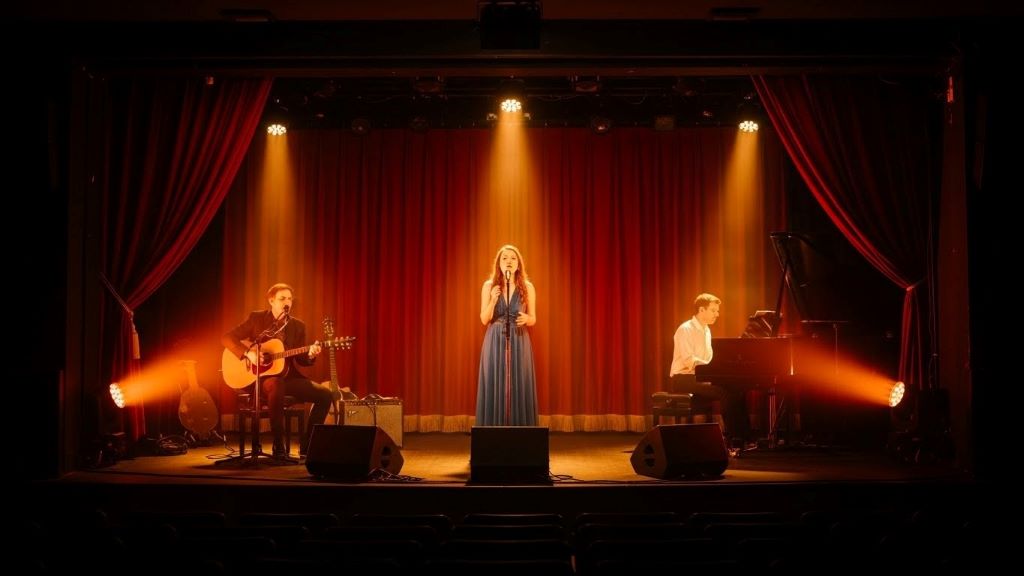
Small playhouse productions require specific equipment choices. Fresnel lights work exceptionally well in intimate settings because they offer soft edges and controllable beam spreads. These fixtures provide gentle illumination that feels natural in close quarters.
LED fixtures have revolutionized small theater lighting in recent years. They generate less heat, which matters greatly in compact spaces where temperature control can be challenging. Moreover, LED technology offers color mixing capabilities that traditional fixtures cannot match.
Ellipsoidal reflector spotlights, commonly called lekos, provide precise control for highlighting specific areas. These instruments allow designers to shape light beams and prevent unwanted spill into audience areas.
Creating Depth and Dimension on Small Stages
Limited stage depth poses one of the biggest challenges in playhouse productions. Lighting designers must create the illusion of space where little physical space exists. Strategic use of backlighting helps separate performers from backgrounds and creates visual depth.
Side lighting, or shin busting, adds dimension to actors’ faces and bodies. This technique works particularly well in intimate settings where subtle details matter. Additionally, varying light intensities between upstage and downstage areas can make shallow stages appear deeper.
Color temperature plays a crucial role in creating spatial perception. Cooler colors tend to recede visually, while warmer tones advance toward the audience. Therefore, using cool blues upstage and warm ambers downstage enhances the sense of depth.
Controlling Light Spill and Maintaining Atmosphere
Light discipline becomes critical in small theaters. Every instrument must serve a specific purpose without creating unwanted illumination. Barn doors, top hats, and gobos help control where light falls and prevent it from reaching audience areas.
The blackness between lighting areas matters as much as the lit spaces themselves. This contrast helps focus audience attention and maintains the theatrical atmosphere. However, achieving true darkness requires careful planning and precise instrument placement.
House lights deserve special consideration in intimate venues. Dimming audience lights slowly during transitions maintains the theatrical mood while ensuring patron safety. Many playhouse productions benefit from keeping house lights at very low levels rather than complete darkness.
Color Theory for Close-Range Productions
Color choices impact intimate productions differently than large-scale shows. Subtle color shifts register more noticeably when audiences sit close to the stage. Therefore, gentle color progressions often work better than dramatic color changes.
According to research from The Broadway League, color psychology plays a significant role in how audiences perceive theatrical performances. Warm colors create feelings of intimacy and comfort, while cool colors suggest distance or melancholy.
Gel selection requires careful consideration. Heavily saturated colors can overwhelm small spaces and appear artificial. Lighter tints and subtle color temperatures typically produce more natural-looking results in playhouse settings.
Focusing Techniques for Maximum Impact
Focus sessions become even more important in intimate theaters. The proximity of the audience means poorly focused lights become immediately obvious. Sharp focus lines should fall precisely where needed without creating harsh edges on performers.
Overlapping focus areas helps prevent dark spots as actors move across the stage. This technique requires more instruments but creates seamless coverage. Additionally, slightly diffused edges blend better than hard-edged beams in close quarters.
Performer eye-lines deserve special attention during focus calls. Lights positioned at steep angles can shine directly into actors’ eyes, creating discomfort and making performances difficult. Therefore, lighting angles must balance aesthetic goals with performer comfort.
Special Effects in Limited Spaces
Special effects require restraint in small venues. Haze and fog can quickly overwhelm compact spaces and irritate audience members. When atmospheric effects are necessary, using them sparingly produces better results.
Gobos and patterns add visual interest without requiring additional equipment or space. Leaf patterns, window shadows, or abstract designs can suggest locations and moods effectively. However, gobo projections should remain subtle to avoid appearing heavy-handed.
Moving lights have become more accessible for small theater budgets. These versatile instruments can replace multiple conventional fixtures and create dynamic effects. Nevertheless, movement should enhance storytelling rather than distract from performances.
Budget-Conscious Lighting Solutions
Small theaters often operate with limited budgets. Fortunately, effective lighting does not always require expensive equipment. Careful planning and creative thinking can achieve professional results with modest resources.
Renting equipment for specific productions can be more cost-effective than purchasing. Many lighting companies offer affordable rental packages designed for small theaters. Additionally, establishing relationships with local lighting suppliers often leads to favorable terms and support.
Investing in quality dimming equipment pays dividends over time. Reliable dimmers ensure smooth transitions and prevent technical problems during performances. As noted by industry professionals at Theatrical Arts, proper control systems form the foundation of any effective lighting design.
Integrating Lighting with Other Design Elements
Lighting must work harmoniously with sets, costumes, and props. This coordination becomes especially important in intimate spaces where everything remains clearly visible. Regular communication between designers ensures cohesive visual storytelling.
Costume colors interact with lighting in specific ways. Dark costumes absorb light and may require additional illumination, while light-colored garments reflect more light. Therefore, costume designers and lighting designers should collaborate early in the production process.
Scenic elements can incorporate practical lights that serve both functional and aesthetic purposes. Table lamps, candles, and other onstage light sources add realism and create motivated lighting opportunities.
Programming and Cueing for Seamless Transitions
Smooth transitions maintain theatrical illusions in intimate settings. Abrupt lighting changes feel jarring when audiences sit close to the action. Therefore, most cues should use gentle fade times that feel organic to the story.
Cue placement requires careful timing. Lighting changes should support dramatic moments without calling attention to themselves. Additionally, following rather than anticipating actor movements creates more natural-looking results.
Building in contingency cues helps handle unexpected situations. Actors might miss marks or technical problems could arise. Having backup cues programmed allows lighting operators to maintain the show’s flow regardless of circumstances.
Conclusion
Lighting intimate playhouse productions requires a delicate balance of technical skill and artistic sensitivity. The close relationship between performers and audiences demands precision, subtlety, and careful attention to detail. Successful lighting designs enhance storytelling without overwhelming the intimate atmosphere that makes small theater special.
By understanding the unique challenges of compact spaces, choosing appropriate equipment, and applying thoughtful techniques, lighting designers can create magical experiences in even the smallest venues. Remember that in intimate theater, less often proves more effective than excessive complexity. Focus on supporting the story, maintaining atmosphere, and creating comfortable viewing conditions for both performers and audiences.
Frequently Asked Questions
What is the ideal lighting angle for intimate theater productions?
The ideal lighting angle typically falls between 45 and 55 degrees from the performer’s face. This angle provides good facial modeling without creating harsh shadows. However, intimate spaces may require slightly lower angles to prevent light spill into audience areas while maintaining proper illumination.
How many lighting instruments does a small playhouse production typically need?
Small playhouse productions usually require between 15 and 40 lighting instruments, depending on the show’s complexity and the venue’s size. Simple productions might manage with fewer fixtures, while more ambitious shows may need additional instruments to achieve desired effects and proper coverage.
Can you use LED lights exclusively for intimate theater productions?
Yes, modern LED fixtures can handle all lighting needs for intimate productions. LED technology has advanced significantly, offering excellent color rendering and dimming capabilities. Additionally, LEDs generate less heat, which benefits both performers and audiences in small spaces.
How do you prevent light from spilling into the audience in a small theater?
Preventing audience light spill requires careful instrument placement, proper focusing, and using accessories like barn doors, top hats, and snoots. Additionally, choosing fixtures with good shuttering capabilities and maintaining adequate distance between lighting positions and audience areas helps control unwanted light.
What is the most common lighting mistake in intimate theater productions?
The most common mistake involves using too much light intensity. Designers accustomed to larger venues often over-light intimate spaces, creating harsh, unnatural-looking scenes. Intimate theaters require more subtle lighting approaches with lower intensities and gentler color choices to maintain the appropriate atmosphere.
Related Topics:
Broadway’s Response to the Rise of Streaming Entertainment
The Influence of European Theater Shaped Broadway’s Development