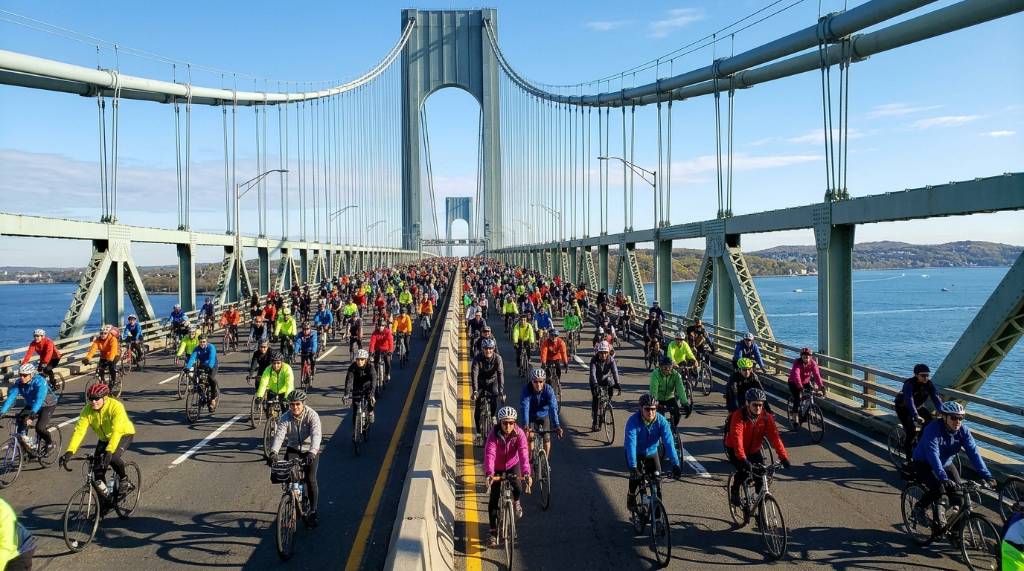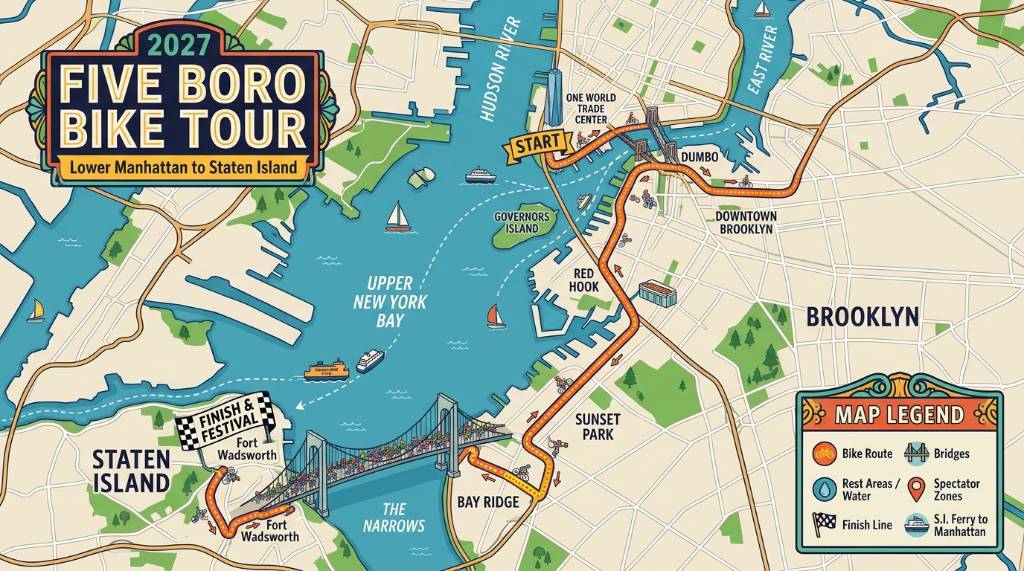
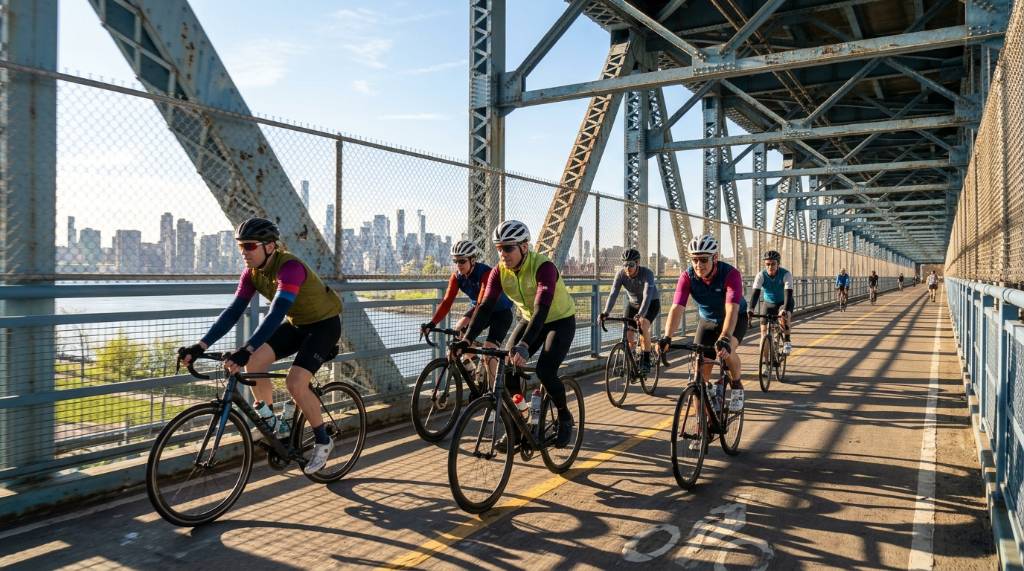
Sunday, May 2, 2027, is the date to circle. On that morning, tens of thousands of riders will roll through all five boroughs of New York City on car-free streets. The route covers about 40 miles. It starts in Lower Manhattan and finishes on Staten Island. Along the way, riders cross several bridges, cruise past landmarks, and stop at lively rest areas.
Choosing the right bike makes a big difference. A smooth, comfortable ride turns a long day into a joy. A poor match, however, can leave your legs, back, and hands aching by mile 20. This guide walks you through road, hybrid, and electric options. It also covers rentals, tires, and simple setup tips. By the end, you will know exactly which bike fits your goals.
What the Ride Demands From Your Bike
Before you pick a bike, understand the ride itself. The route stays mostly flat, but it is not a pancake. Bridges bring steady climbs. The Verrazzano-Narrows Bridge near the end is the biggest test. Riders usually reach it with tired legs. Therefore, gear range and comfort matter more than raw speed.
The Tour is not a race. Most riders spend between four and eight hours on the course, including stops. The first wave leaves around 7:30 AM, so you will often start early and cool. Crowds are thick in some areas, and riders move at many speeds. Consequently, easy handling and reliable brakes count as much as light weight.
Here are the key points that shape your bike choice:
- Distance: about 40 miles, which is a long day for beginners.
- Terrain: mostly flat roads with several bridge climbs.
- Traffic: dense groups of riders, with frequent slowing and stopping.
- Surface: paved streets, some rough patches, and a few expansion joints.
- Weather: May can bring cool mornings, wind, or light rain.
Quick Facts for 2027
Organizers at Bike New York were still finalizing 2027 details at the time of writing. Always confirm times and rules on the official website before race week. The table below shows what riders can expect, based on recent years.
| Detail | What to Expect |
| Date | Sunday, May 2, 2027 |
| Distance | About 40 miles |
| Start | Lower Manhattan |
| Finish | Staten Island, with a Finish Festival |
| Riders | Roughly 32,000 in recent years |
| Helmet | Required for every rider |
| Pedal-assist e-bikes | Class 1 allowed; Class 2 throttle bikes not allowed |
| Support | Mechanics on the route and sweep vehicles at the back |
Road Bikes: Fast, Light, and Efficient
A road bike gives you speed with less effort. The frame is light. The tires are narrow. The riding position lets you cut through wind. If you ride regularly and want a strong finish time, this is a great pick.
Who Should Choose a Road Bike
Road bikes suit riders who already log long rides. They also fit anyone who likes a sporty feel. If you have trained for 30 miles or more, a road bike will reward you. Additionally, it climbs bridges with less fuss than heavier options.
Pros and Cons of Road Bikes
On the plus side, road bikes feel quick and responsive. They roll smoothly on pavement. They also come with wide gear ranges, which help on bridge climbs.
On the downside, the forward-leaning position can strain your neck, wrists, and lower back. Narrow tires also feel less forgiving on rough streets. Furthermore, drop handlebars take time to master in a crowd. If you plan to ride in tight groups, practice your braking and turning first.
What to Look For
Choose a frame that fits your height. A bike shop can measure you in minutes. Next, look for tires between 28 and 32 millimeters wide. These offer a nice balance of speed and comfort. Finally, pick a bike with a compact crankset or a wide cassette. Those gears make steep sections far easier.
Endurance road bikes deserve special mention. They sit a bit more upright than race bikes. They also offer extra comfort for long days. For this event, an endurance model often beats a pure racing frame.
Hybrid Bikes: Comfort and Confidence
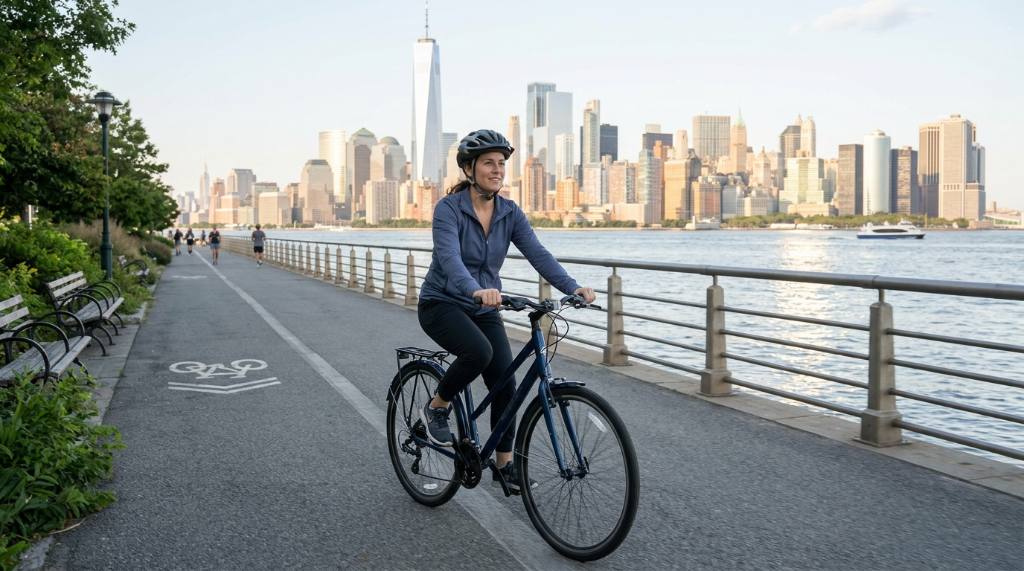
A hybrid bike blends road speed with mountain bike comfort. You sit upright, and you see traffic clearly. The handlebars are flat, so your hands feel relaxed. For many first-time riders, this is the safest and happiest choice.
Who Should Choose a Hybrid
Pick a hybrid if you ride casually or only a few times a month. It also suits riders who want to stop often for photos and snacks. Moreover, hybrids handle city streets well. They shrug off potholes and rough pavement.
Pros and Cons of Hybrid Bikes
Hybrids offer comfort, stability, and easy control. Most have mounts for racks and fenders, so you can add a small bag or bottle cage. They cost less than many road bikes, too.
However, hybrids weigh more. Wider tires create extra rolling resistance. As a result, you will work harder on climbs and in headwinds. If your bike has thick, knobby tires, swap them for smooth ones. That simple change makes the bike feel much faster.
What to Look For
Look for tires between 32 and 40 millimeters wide with a smooth center strip. Choose disc brakes if you can, because they stop well in wet weather. Additionally, check the gear range. A hybrid with at least 21 speeds will tackle bridges comfortably.
Electric Bikes: Extra Power for Long Days
Electric bikes have changed the way many people ride. A small motor adds power as you pedal. Hills feel gentler, and long distances feel shorter. For riders who worry about stamina, an e-bike can make the Tour possible.
Know the Rules First
Rules matter here. The organizer allows Class 1 pedal-assist e-bikes. These bikes help only while you pedal, and the motor stops helping at 20 miles per hour. Class 2 bikes have a throttle. Bike New York does not permit them, even if you disable the throttle. Therefore, check your bike’s class label before you register. If you are unsure, ask the shop that sold it to you.
Since policies can change, read the latest e-bike rules on the official site in the weeks before the event.
Pros and Cons of Electric Bikes
The biggest benefit is confidence. You can ride with faster friends and still feel fresh. Bridges become easy. Headwinds lose their bite.
On the other hand, e-bikes are heavy. Lifting one onto a ferry or a car rack takes effort. Battery life also matters. A 40-mile day with stops can drain a small battery, especially if you use high assist levels. Consequently, choose a battery that offers at least 50 miles of range on a medium setting. Charge it fully the night before. Bring a charger if you plan a long day after the finish.
Other riders deserve your respect, too. Keep your assist level low in crowds. Pass with care, and call out clearly when you do.
Other Options Worth Considering
Not everyone owns the perfect bike. Fortunately, you have more choices.
Rental Bikes
The official rental partner offers a wide range of bikes for the Tour, including electric models. Riders can pick up a bike in Lower Manhattan on Tour morning and drop it off near the Staten Island Ferry. This saves you the trouble of hauling your own bike across the city. Book early, because popular sizes sell out fast.
Folding Bikes
Folding bikes work well if you live in a small apartment or plan to take the subway. They have small wheels, so they feel twitchy at speed. Still, they fold quickly and fit on the ferry with ease. Ride one on a long practice trip before the event.
Gravel Bikes
Gravel bikes look like road bikes, but they have wider tires and relaxed frames. They are comfortable and tough. Additionally, they handle rough streets well. If you already own one, it makes a fine choice. Swap in smooth, fast-rolling tires for the best results.
Tandems, Recumbents, and Trikes
The Tour welcomes many human-powered designs. Tandems, recumbents, and tricycles all roll along the route. These bikes need more room, so ride patiently in tight spots.
Bike Comparison at a Glance
Use this table to compare your options side by side.
| Bike Type | Best For | Comfort | Speed | Climbing Help | Typical Weight |
| Road bike | Experienced riders | Medium | High | Good | Light |
| Endurance road bike | Long-distance riders | High | High | Good | Light to medium |
| Hybrid bike | Beginners and casual riders | High | Medium | Fair | Medium |
| Class 1 e-bike | Riders wanting extra power | High | Medium to high | Excellent | Heavy |
| Gravel bike | Mixed-surface riders | High | Medium to high | Good | Light to medium |
| Folding bike | Commuters with limited space | Medium | Low to medium | Fair | Light to medium |
Tires, Gear, and Setup Tips
The right setup can matter as much as the bike itself. A few small upgrades pay off over 40 miles.
Tires and Pressure
Tires are your first line of comfort. Wider tires run at lower pressure and soak up bumps. Check the pressure the night before the ride, and add air as needed. Most tires list a safe pressure range on the sidewall. Aim for the middle of that range. In wet weather, drop the pressure slightly for extra grip.
Saddle and Handlebar Comfort
A bad saddle ruins a ride. If your seat feels hard after 10 miles, test a different shape. Padded shorts help a lot. Gloves with soft palms ease pressure on your hands. Additionally, raise your handlebars a little if your neck aches.
Brakes and Gears
Test your brakes before the event. Squeaky or weak brakes need a fix. Likewise, shift through every gear. If the chain skips, visit a shop. Mechanics along the route can fix small issues, but a tune-up at home saves time.
Gear to Pack
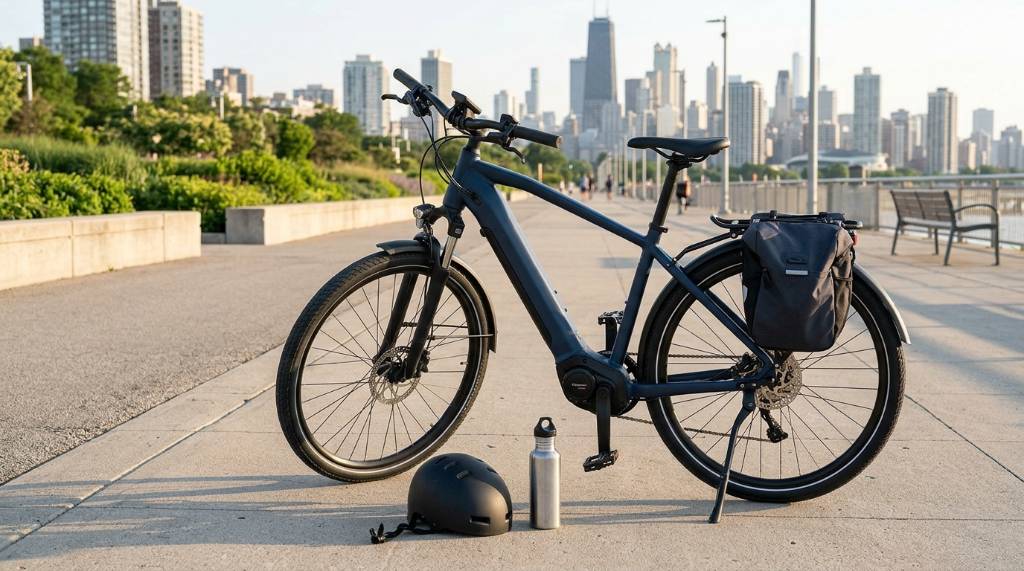
Carry a small kit. Include a spare tube, a pump, tire levers, and a multi-tool. Pack sunscreen, snacks, and a water bottle. A light jacket helps on cool mornings. Finally, bring a phone, a card, and a little cash.
Pre-Ride Checklist
Follow this simple plan in the final two weeks:
- Ride at least one 25-mile practice trip on your chosen bike.
- Visit a bike shop for a safety check.
- Fit your helmet snugly, because every rider must wear one.
- Charge your e-bike battery the night before.
- Plan how you will reach the start and leave the finish.
- Check the weather, and pack layers.
The finish area is lively, but lines for the Manhattan-bound ferry can grow long in the early afternoon. Therefore, plan your ride and your exit with care. If you run out of steam, support vehicles follow at the back of the Tour. Just pull safely to the side and flip your bike upside down to signal for help.
Conclusion
The best bike is the one that fits your body, your experience, and your goals. Road bikes give you speed and efficiency, so they suit seasoned riders. Hybrid bikes offer comfort and easy control, which makes them ideal for beginners. Class 1 electric bikes add helpful power for climbs and long distances, as long as you follow the rules. Rentals, folding bikes, and gravel bikes fill in the gaps.
Whichever bike you choose, practice first. Check your tires, brakes, and gears. Pack a small repair kit, and wear your helmet. Then, on May 2, 2027, roll out with a smile and enjoy all five boroughs on two wheels.
Frequently Asked Questions
1. When is the 2027 ride?
The ride takes place on Sunday, May 2, 2027. Check the official site for start times and wave details as organizers confirm them.
2. How long is the route?
The route covers about 40 miles. It starts in Lower Manhattan and ends on Staten Island.
3. What is the best bike for beginners?
A hybrid bike is usually the best choice. It offers an upright position, easy handling, and a comfortable ride.
4. Can I ride an electric bike?
Yes, if it is a Class 1 pedal-assist model. Class 2 throttle e-bikes are not allowed at Bike New York events.
5. Do I need a helmet?
Yes. Every rider must wear a helmet on the course.
6. Can I rent a bike for the event?
Yes. The official rental partner offers many bikes, including electric models. Book early for the best selection.
7. What tire width works best?
Tires between 28 and 40 millimeters work well. Choose narrower tires for road bikes and wider ones for hybrids.
8. How long does the ride take?
Most riders finish in four to eight hours, including stops. Your pace, bike, and fitness all play a part.
9. What happens if my bike breaks down?
Mechanics along the route can fix small problems. If you cannot continue, support vehicles at the back can give you a ride to the finish.
10. How should I train for 40 miles?
Build up your distance over several weeks. Aim for at least one 25-mile ride before the event, and practice on the bike you plan to use.