New York City. Just the name conjures images of towering skyscrapers, bustling avenues, iconic landmarks, and a ceaseless energy. It’s a global epicenter, a melting pot of cultures, and a city that has witnessed, shaped, and been profoundly shaped by some of the most significant events in human history. But beyond the dazzling facade, what major events truly forged the spirit and identity of this extraordinary metropolis? From its humble beginniangs as a Dutch trading post to its rise as a world power, New York City’s narrative is a tapestry woven with threads of innovation, resilience, struggle, and triumph. Join us on an immersive journey through time, exploring the pivotal moments that transformed a nascent settlement into the “Capital of the World.”
From Humble Colony to Revolutionary Hub: Early Milestones
The story of New York City begins not with towering structures but with a modest settlement. In 1624, the Dutch established New Amsterdam on the southern tip of Manhattan Island, recognizing its strategic location for trade. This early colonial period laid the groundwork for the city’s future as a commercial powerhouse. The diverse mix of settlers, even in these nascent stages, foreshadowed the multiculturalism that would become a defining characteristic.
A significant shift occurred in 1664 when the English took control, renaming the settlement New York. This transfer of power was largely peaceful, but it marked a new era of growth and consolidation under British rule. The city quickly became a vital port, facilitating trade and solidifying its economic importance within the British Empire.
The fervor of the American Revolution deeply impacted New York City. While a significant Loyalist presence existed, the city was a strategic prize. The Battle of Long Island in 1776, one of the largest battles of the war, saw the Continental Army suffer a major defeat, leading to British occupation of New York City for the majority of the conflict. This period of occupation, though challenging, also highlighted the city’s strategic value and its role as a key military objective. Following the British evacuation in 1783, New York City briefly served as the first capital of the United States, where George Washington was inaugurated as the first president in 1789 on the balcony of Federal Hall. This moment cemented the city’s early national significance.
The 19th Century: Growth, Immigration, and Industrial Transformation
The 19th century was a period of explosive growth and dramatic change for New York City, fueled by a relentless influx of immigrants and groundbreaking infrastructural projects. The completion of the Erie Canal in 1825 was a true game-changer. This engineering marvel connected the Great Lakes to the Hudson River, transforming New York City into the primary gateway for westward expansion and a dominant force in national commerce. Agricultural products from the interior could now easily reach global markets, and manufactured goods could flow inland, solidifying the city’s status as a major economic hub. This monumental undertaking is often cited as a key factor in New York’s ascendancy over rival East Coast ports.
The mid-19th century witnessed waves of mass immigration, particularly from Ireland (due to the Great Famine) and Germany. These new arrivals, seeking refuge and opportunity, swelled the city’s population, transforming its social fabric and contributing immensely to its labor force. Neighborhoods like the Lower East Side became vibrant, bustling enclaves of diverse cultures and languages. While these migrations fueled economic expansion, they also brought challenges, including poverty, overcrowded living conditions, and social tensions. The New York City Draft Riots of 1863, during the Civil War, tragically underscored these underlying societal strains, revealing the deep divisions within the city and the nation.
Amidst this rapid expansion, New York also emerged as a cultural and intellectual center. The establishment of prominent institutions, the flourishing of arts and literature, and the rise of a dynamic press (including the emergence of “penny papers” like the New York Herald, which revolutionized journalism by making news accessible to the masses) all contributed to the city’s burgeoning identity as a global influencer. The construction of Central Park, conceived in the 1850s, was another visionary project, providing a much-needed green oasis and a democratic public space in a rapidly urbanizing environment. This urban planning masterpiece remains one of the world’s most beloved parks.
The Turn of the Century and the Roaring Twenties: Modernity Takes Hold
As the 20th century dawned, New York City continued its relentless march towards modernity. The construction of the subway system, beginning in 1904, revolutionized urban transportation, allowing for unprecedented mobility and facilitating the outward growth of the boroughs. This marvel of engineering connected disparate neighborhoods, making the sprawling city feel more cohesive and accessible.
The early 1900s also saw the peak of immigration through Ellis Island, the iconic gateway for over 12 million immigrants seeking a new life in America. Ellis Island stands as a powerful symbol of New York’s role as a beacon of hope and opportunity for generations of newcomers from around the world. The narratives of these immigrants are inextricably woven into the fabric of New York City, contributing to its unparalleled diversity and vibrant cultural tapestry.
The Roaring Twenties brought an era of unprecedented prosperity and cultural dynamism to New York. It became the epicenter of the Jazz Age, a hub for artistic expression, and a playground for high society. The city’s skyline began its dramatic transformation with the construction of iconic skyscrapers like the Chrysler Building (1930) and the Empire State Building (1931), testaments to human ambition and engineering prowess. These architectural marvels not only defined the city’s silhouette but also symbolized America’s rise as a global economic power. The stock market crash of 1929 and the subsequent Great Depression, however, brought this era of exuberance to an abrupt halt, plunging the city and the nation into severe economic hardship.
Read More:
Hidden Hiking Trails Near NYC Accessible by Public Transport
BEST BIKE ROUTES IN NYC FOR SCENIC VIEWS: A CYCLIST’S ULTIMATE GUIDE
Mid-20th Century: War, Recovery, and Global Leadership
The challenges of the Great Depression eventually gave way to the unifying effort of World War II. New York City played a crucial role, serving as a vital port for troop and supply movements, a center for wartime production, and a hub for international diplomacy. The city’s resilient spirit shone through as its citizens rallied behind the war effort.
Following the war, New York solidified its position as a global leader. The establishment of the United Nations Headquarters in 1952 on Manhattan’s East Side highlighted New York City’s global significance. It positioned the city as a central hub for international dialogue. This move cemented its role in global diplomacy. This event reinforced New York’s status not just as an American metropolis but as a true world capital.
The mid-20th century also saw significant urban planning and development projects, though not without controversy. The construction of massive infrastructure like expressways and housing projects aimed to modernize the city. However, these developments often resulted in displacement. They also disrupted established communities, altering the social fabric of the area. Despite these challenges, New York continued to attract talent and ambition, remaining a magnet for artists, writers, musicians, and entrepreneurs from across the globe.

Late 20th Century to Present: Challenges, Resurgence, and Enduring Spirit
The latter half of the 20th century presented New York City with new challenges, including rising crime rates, economic downturns, and social unrest. However, the city consistently demonstrated its capacity for resilience and renewal. The 1990s witnessed a remarkable urban revitalization, with significant reductions in crime and a renewed sense of optimism. This period saw the city re-establish itself as a desirable place to live, work, and visit.
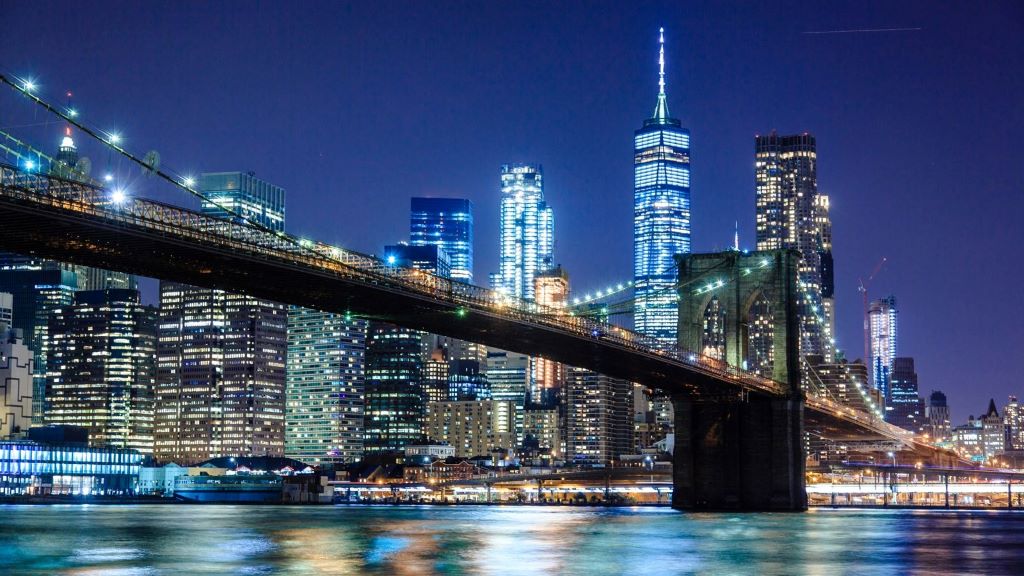
The turn of the millennium brought an unimaginable tragedy. The terrorist attacks of September 11, 2001, on the World Trade Center, left an indelible scar on the city and the nation. The collapse of the Twin Towers resulted in thousands of lives lost and a profound sense of grief. However, in the face of this immense loss, New York City once again demonstrated its extraordinary strength and unity. The outpouring of support from around the world and the city’s determined efforts to rebuild and heal became a powerful testament to the human spirit. The development of the One World Trade Center and the 9/11 Memorial & Museum at the former World Trade Center site serve as poignant reminders of both the tragedy and the city’s enduring resilience.
In recent years, New York City has continued to evolve, navigating economic shifts, environmental concerns, and social justice movements. It remains a global hub for finance, fashion, arts, media, and technology. The city’s commitment to innovation, its embrace of diversity, and its vibrant cultural scene ensure its continued relevance and appeal on the world stage. From the protests in Greenwich Village for LGBTQ+ rights to the ongoing efforts for climate action, New York City continues to be a crucible for social change and progressive movements.
The Enduring Legacy: Why New York City Matters
The major events that have unfolded in New York City are not merely isolated incidents but interconnected chapters in a grand narrative of human endeavor. New York City was first inhabited by the indigenous Lenape people. Over time, it has grown into a vibrant home for diverse communities. The city has stood as both a witness and a participant in the ebb and flow of history. Its strategic location has played a key role in its development. The embrace of immigration and relentless pursuit of progress have fueled its growth. Together with its remarkable capacity for reinvention, these factors have shaped a unique and enduring legacy.
The city’s influence extends far beyond its geographical boundaries. New York has shaped global finance, art, fashion, and media. Its struggles and triumphs resonate internationally, serving as both a cautionary tale and an inspiring example. Visiting its historical sites, from the solemn beauty of the 9/11 Memorial to the vibrant energy of Times Square, is to walk through the annals of global history.
Ready to experience the living history of New York City for yourself? Plan your visit today and immerse yourself in the stories, the energy, and the indomitable spirit of this incredible metropolis. Explore its diverse neighborhoods and visit its world-renowned museums. Walk across its iconic bridges and take in the breathtaking views. Discover the countless ways in which this city continues to make history every single day. Your New York City adventure awaits!