
The maritime past of the North Shore, Staten Island, is a story of industry, trade, and transformation. Once a thriving hub of shipbuilding, commerce, and naval activity, this area played a crucial role in New York’s development. Today, remnants of its storied past can still be found along the waterfront, though much of it has faded from public memory.
From bustling shipyards to ferry services that connected Staten Island to the rest of New York, the North Shore’s maritime history is deeply intertwined with the city’s evolution. This article explores the rise and decline of this maritime powerhouse, examining the industries, people, and events that shaped its history.
The Rise of the North Shore as a Maritime Hub
Early Settlements and the Need for Water Transportation
Staten Island’s North Shore, with its proximity to the New York Harbor, was always destined to be a center for maritime activity. As early as the 17th century, Dutch and English settlers recognized the area’s potential for trade and transport. The surrounding waters provided a natural highway, linking the island to Manhattan, Brooklyn, and beyond.
During the colonial period, Staten Island became a vital point for ferry travel. The first recorded ferry service began in the 1700s, operated by Cornelius Vanderbilt’s ancestors. These ferries, which initially relied on sail power and later on steam engines, became the lifeline of the island’s economy.
The Boom of Shipbuilding and Naval Industry
By the 19th century, Staten Island’s North Shore had become synonymous with shipbuilding. The area was home to several well-known shipyards, including the Burlee Dry Dock Company and the Staten Island Shipbuilding Company. These shipyards constructed everything from merchant vessels to warships, contributing to both commercial and military maritime efforts.
One of the most famous shipbuilding sites was the Townsend-Downey Shipyard, established in the late 1800s. This shipyard was responsible for constructing the Meteor, a luxury steam yacht for the German Emperor Wilhelm II. Staten Island’s shipyards also played a key role in World War I and World War II, producing vessels for the U.S. Navy.
The Ferry Services: Connecting Staten Island to the World
The Evolution of Staten Island Ferry
The Staten Island Ferry has been a crucial link between Staten Island and Manhattan for over 200 years. What started as small private operations grew into a well-organized public transportation service.
In the 19th century, ferries were powered by steam engines, significantly reducing travel time between Staten Island and Manhattan. Cornelius Vanderbilt, one of America’s most influential industrialists, was instrumental in modernizing the ferry service, making it more efficient and profitable.
Today, the Staten Island Ferry remains one of New York’s most iconic transportation services, carrying over 70,000 passengers daily. It is a free service, operated by the NYC Department of Transportation, and serves as both a commuter necessity and a tourist attraction.
How the Ferry Helped Economic Growth
The ferry service played a key role in Staten Island’s economic development. By providing easy access to Manhattan’s markets and businesses, it encouraged trade and commerce on the North Shore. Factories and industries grew along the waterfront, capitalizing on the easy transportation of goods and workers.
However, the introduction of the Verrazzano-Narrows Bridge in 1964 shifted transportation trends. More people relied on cars and buses, leading to a decline in ferry ridership. Despite this, the ferry service remains a critical part of the city’s transportation infrastructure.
The Decline of Staten Island’s Maritime Industry
The Shift from Shipbuilding to Other Industries
By the mid-20th century, the North Shore’s maritime industry began to decline. Several factors contributed to this shift, including:
- The rise of air travel, reducing the reliance on maritime transport.
- Increased competition from international shipyards with lower labor costs.
- The expansion of containerized shipping, which required fewer shipyards and workers.
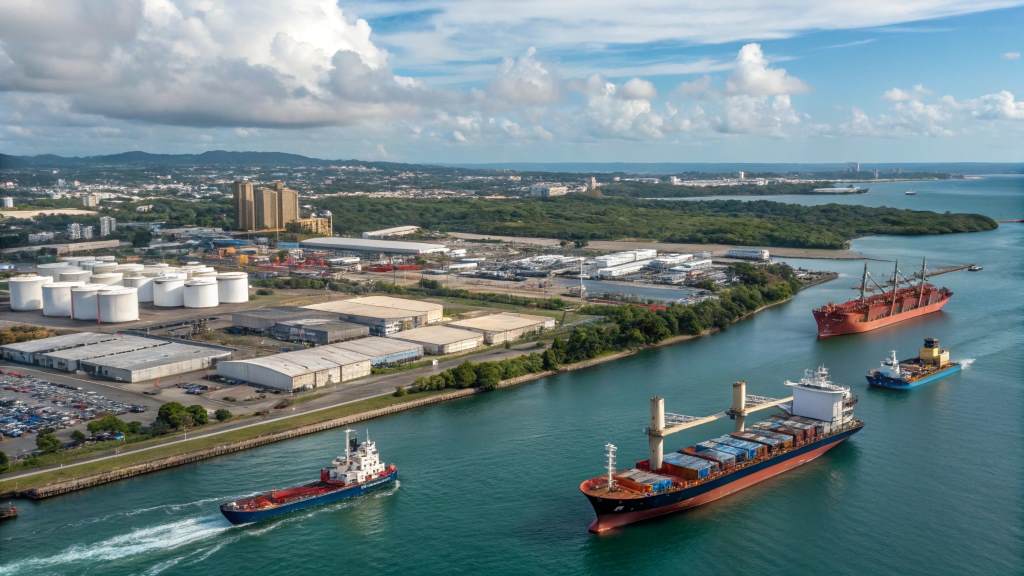
As a result, many shipbuilding companies closed, and the once-thriving waterfront industry faded. Today, only a few remnants of the shipyards remain, with many sites repurposed for other uses.
Environmental Challenges and Industrial Pollution
The North Shore’s industrial boom came with environmental consequences. Heavy shipbuilding, oil refineries, and chemical plants contributed to pollution in the surrounding waters. The Staten Island Greenbelt and local conservation groups have since worked to clean up the waterways, but remnants of the industrial past still pose environmental concerns.
Preserving Staten Island’s Maritime History
Restoration Efforts and Museums
Efforts to preserve Staten Island’s maritime history have gained momentum in recent years. The Staten Island Greenbelt, along with historical societies, has been working to document and restore maritime landmarks.
The Staten Island Maritime Museum, for example, showcases artifacts from the island’s shipbuilding past. Additionally, some shipyard structures have been repurposed into public spaces, giving residents a glimpse into the island’s industrial history.
The Future of the North Shore’s Waterfront
Urban renewal projects are transforming parts of the North Shore into modern mixed-use developments. The Staten Island Waterfront Revitalization Program aims to balance economic growth with historical preservation. While high-rise buildings and commercial spaces continue to reshape the skyline, efforts are being made to honor the area’s maritime past.
Conclusion
The maritime past of the North Shore, Staten Island, is a story of innovation, resilience, and transformation. From its early days as a ferry hub to its rise as a shipbuilding powerhouse, this region played a vital role in New York’s maritime history.
While much of the old shipbuilding industry has disappeared, its legacy remains in the ferry service, historical sites, and local efforts to preserve the past. Staten Island’s North Shore is more than just a forgotten chapter—it is a vital piece of New York’s history, waiting to be rediscovered.
FAQs
1. What was the most famous ship built on Staten Island’s North Shore?
The Meteor, a luxury steam yacht built for the German Emperor Wilhelm II, is one of the most famous ships constructed on Staten Island.
2. Why did the shipbuilding industry decline on the North Shore?
The decline was due to factors like international competition, changing transportation needs, and the shift to containerized shipping.
3. Is there still a shipbuilding industry on Staten Island today?
While major shipyards have closed, small-scale maritime industries and boat repair businesses still operate in the area.
4. How did the Staten Island Ferry impact the local economy?
The ferry service boosted trade, commerce, and real estate development by providing easy access to Manhattan.
5. Are there any museums dedicated to Staten Island’s maritime history?
Yes, the Staten Island Maritime Museum preserves and showcases artifacts from the island’s shipbuilding and maritime past.