
New York City stands as one of the world’s premier music destinations. The city hosts thousands of concerts, festivals, and live performances annually across hundreds of venues. Throughout 2026, music lovers can expect an exceptional lineup of events spanning every genre imaginable.
From intimate club shows to massive stadium concerts, NYC offers unparalleled musical diversity. This guide explores the major concerts, festivals, and live music events scheduled across the city’s iconic venues throughout 2026.
Major Concert Venues Hosting 2026 Events
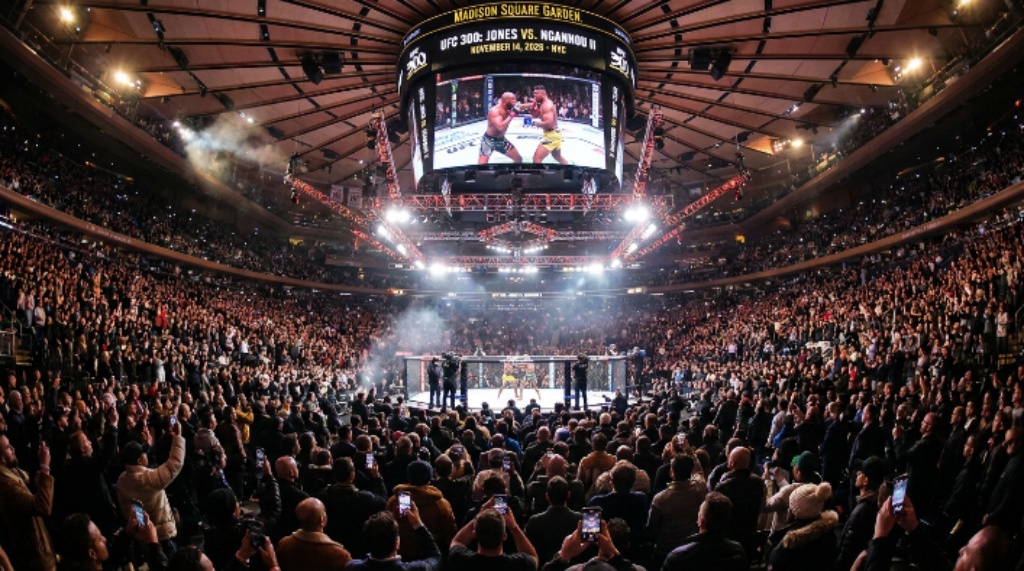
Madison Square Garden remains NYC’s largest indoor concert venue. This legendary arena hosts major touring acts, reunion tours, and special performances. Throughout 2026, MSG will feature pop superstars, rock legends, and hip-hop icons performing for audiences up to 20,000.
Barclays Center in Brooklyn rivals MSG for major touring acts. This modern arena offers excellent acoustics and sightlines. Additionally, its Brooklyn location attracts artists wanting to connect with the borough’s vibrant music scene.
Radio City Music Hall provides a more intimate setting for established artists. The Art Deco venue seats approximately 6,000 and features stunning architecture. Moreover, its excellent acoustics make every performance memorable.
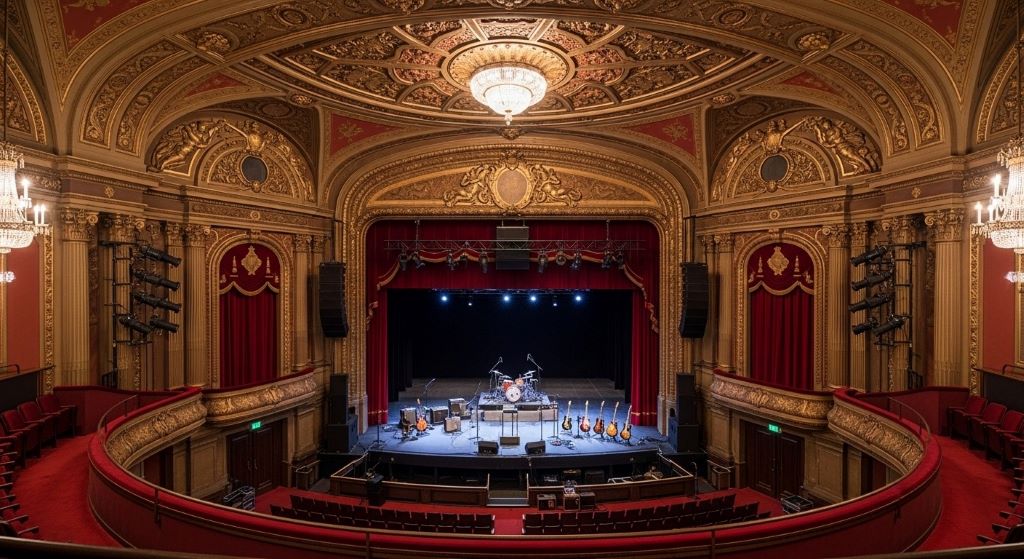
The Beacon Theatre on the Upper West Side hosts mid-sized concerts in a historic setting. This 2,800-seat venue attracts jam bands, legacy acts, and contemporary artists. Furthermore, its ornate interior creates an elegant concert atmosphere.
Spring 2026 Concert Season Highlights
Spring brings outdoor concert season preparations and indoor performances by touring artists. March through May feature diverse bookings across all venues. Therefore, music fans find options every weekend throughout the season.
Indie rock dominates spring lineups at venues like Brooklyn Steel and Terminal 5. These mid-sized spaces showcase emerging artists and established alternative acts. Additionally, spring weather enables rooftop venue openings for intimate performances.
Jazz festivals begin scheduling shows at Blue Note, Village Vanguard, and Jazz at Lincoln Center. These institutions present world-class musicians in settings designed for optimal listening. Moreover, spring residencies allow extended engagement with favorite artists.
Classical music institutions including Carnegie Hall and Lincoln Center continue their seasons. Spring programming often features guest orchestras, renowned soloists, and special collaborative performances. However, tickets for prestigious shows often sell quickly.
Summer Music Festivals and Outdoor Concerts
Summer transforms NYC into an outdoor music paradise. Central Park SummerStage presents free concerts featuring diverse genres from world music to contemporary pop. These performances attract thousands to Rumsey Playfield throughout summer months.
Governors Ball Music Festival returns to Flushing Meadows Corona Park. This three-day festival showcases headlining acts across multiple stages. Additionally, the festival features emerging artists, food vendors, and art installations creating complete festival experiences.
Prospect Park hosts the annual Celebrate Brooklyn! festival. Free outdoor concerts present everything from indie rock to classical performances. Furthermore, the bandshell’s natural setting creates magical summer evening atmospheres.
Coney Island Amphitheater offers beachside concerts throughout summer. The outdoor venue hosts both free community events and ticketed performances. Moreover, combining concerts with beach visits creates perfect summer outings.
According to The New York Times, major music festivals continue expanding their lineups to include more diverse genres and emerging artists, reflecting New York’s eclectic music tastes.
Fall Concert Calendar Highlights
Fall brings indoor concert season into full swing. September through November feature heavy touring schedules as artists perform before holiday breaks. Therefore, venues book multiple shows nightly across the city.
Smaller venues like Bowery Ballroom, Mercury Lounge, and Music Hall of Williamsburg host nightly shows. These intimate spaces showcase touring indie bands, singer-songwriters, and genre-defying artists. Additionally, affordable ticket prices make frequent concert attendance feasible.
The Apollo Theater continues its legacy presenting R&B, soul, and hip-hop performances. Historic Amateur Night events run alongside professional concerts. Moreover, the venue’s Harlem location makes it a cultural destination beyond just music.
Brooklyn Academy of Music presents experimental and avant-garde performances. BAM’s fall season includes boundary-pushing artists challenging conventional definitions of live music. Furthermore, the venue’s multiple spaces accommodate different performance types.
Winter Performance Season
Winter concerts provide warm refuge from cold weather. December through February feature holiday shows, album release parties, and residencies. However, winter also brings some of the year’s most memorable performances.
Holiday concerts at venues like The Town Hall and Beacon Theatre become annual traditions. Artists perform seasonal material alongside regular repertoires. Additionally, special guest appearances make holiday shows particularly unpredictable and exciting.
Webster Hall hosts diverse winter programming from electronic dance music to punk rock. The multi-floor venue accommodates different musical experiences simultaneously. Moreover, its East Village location anchors the neighborhood’s vibrant nightlife scene.
Jazz clubs thrive during winter months as audiences seek intimate indoor entertainment. The Blue Note, Birdland, and Smalls Jazz Club present nightly performances by world-class musicians. Furthermore, multiple sets per night offer flexibility for different schedules.
Electronic and Dance Music Venues
Brooklyn Mirage and Avant Gardner complex dominate outdoor electronic music programming. These Williamsburg venues host massive dance parties featuring international DJs and producers. Additionally, elaborate production design creates immersive audiovisual experiences.
Output and other Williamsburg clubs present underground electronic music. These venues attract serious dance music enthusiasts rather than casual clubgoers. Moreover, extended hours allow DJs to develop proper musical journeys.
PlayStation Theater and Terminal 5 host larger electronic music events. These venues book touring DJs and live electronic acts performing for thousands. Furthermore, sophisticated sound systems deliver optimal bass frequencies essential to electronic music.
Hip-Hop and R&B Performance Spaces
The Apollo Theater remains central to hip-hop and R&B culture. The venue books both established stars and emerging artists. Additionally, special events celebrate hip-hop’s cultural impact and historical significance.
Barclays Center hosts major hip-hop tours and album release events. The arena’s Brooklyn location resonates with hip-hop’s cultural roots. Moreover, the venue’s modern amenities support elaborate stage productions.
Smaller venues like SOB’s and Brooklyn Bowl present hip-hop in intimate settings. These spaces allow direct artist-audience connection impossible in larger venues. Furthermore, surprise guest appearances frequently occur at these shows.
Classical and Opera Programming
Carnegie Hall presents world-renowned orchestras, soloists, and chamber ensembles. The venue’s three halls accommodate different performance types and ensemble sizes. Additionally, Carnegie Hall commissions new works premiered in these historic spaces.
Lincoln Center houses the Metropolitan Opera, New York Philharmonic, and New York City Ballet. Each institution programs year-round seasons featuring international talent. Moreover, simulcast events bring performances to wider audiences.
According to The Wall Street Journal, major classical institutions continue innovating programming to attract younger audiences while maintaining traditional offerings.
Rock and Alternative Music Venues
Irving Plaza and Webster Hall anchor Manhattan’s rock music scene. These historic venues have hosted legendary performances for decades. Additionally, both spaces offer excellent sightlines and sound quality.
Brooklyn venues including Brooklyn Steel and Music Hall of Williamsburg cater to alternative rock audiences. These spaces book touring indie bands and local favorites. Furthermore, the venues’ neighborhood locations support pre-show dining and post-show socializing.
Rough Trade NYC combines record store and performance space. The Williamsburg venue hosts in-store performances and evening concerts. Moreover, the combination supports music discovery beyond just attending shows.
Latin and World Music Performances
Lincoln Center’s Midsummer Night Swing brings Latin dancing and live music outdoors. Weekly events feature different Latin music styles from salsa to bachata. Additionally, dance lessons precede performances welcoming beginners.
SOB’s specializes in Latin, Caribbean, and African music. The venue books both international touring acts and local artists. Furthermore, the club atmosphere encourages dancing alongside listening.
National Sawdust in Williamsburg presents experimental world music and contemporary classical. The venue’s adaptable space and excellent acoustics support diverse programming. Moreover, video projection capabilities enhance multimedia performances.
Buying Tickets and Planning Attendance
Purchase tickets early for major arena shows and popular artists. Madison Square Garden and Barclays Center events often sell out quickly. Therefore, signing up for presales through fan clubs or credit cards provides early access.
Smaller venue tickets often become available closer to show dates. Check venue websites and apps like Dice for releases. Additionally, many clubs hold tickets at the door for walk-up purchases.
Consider membership programs at venues attending frequently. The Blue Note and other jazz clubs offer subscription packages. Moreover, memberships often include priority seating and ticket discounts.
Use public transportation to reach venues avoiding parking challenges. Most major venues sit near subway stations. Furthermore, rideshare services provide convenient options for late-night returns home.
Navigating Venue Policies and Etiquette
Review venue policies before attending shows. Phone restrictions, bag size limits, and age requirements vary by location. Additionally, some venues prohibit professional cameras while allowing phone photography.
Arrive early for general admission shows to secure preferred positions. Standing room venues fill quickly for popular acts. Moreover, early arrival allows time for coat check and bar service before performances begin.
Respect fellow concertgoers by limiting phone use during performances. Constant screen brightness distracts surrounding audience members. Furthermore, experiencing shows fully present creates more meaningful memories than filming entire concerts.
Conclusion
New York City’s 2026 concert calendar offers unprecedented musical diversity across hundreds of venues. From Madison Square Garden’s arena spectacles to intimate jazz club performances, every musical preference finds representation. Spring outdoor festivals, summer beachside concerts, fall touring season, and winter holiday shows provide year-round entertainment options. Therefore, music lovers should explore beyond familiar genres and venues, discovering the incredible breadth of live performances happening nightly. Whether attending major festivals or tiny club shows, NYC’s live music scene remains unmatched globally. Consequently, 2026 promises memorable musical experiences for residents and visitors throughout the year.
Frequently Asked Questions
When do tickets go on sale for major NYC concerts in 2026?
Tickets for arena shows typically go on sale three to six months before performance dates. However, presales through artist fan clubs, credit card holders, or venue memberships often begin earlier. Check venue websites and artist social media for specific on-sale dates and presale codes.
What are the best affordable concert venues in New York City?
Smaller venues like Mercury Lounge, Bowery Ballroom, and Rockwood Music Hall offer affordable tickets usually ranging from $15 to $40. Additionally, free summer concerts at SummerStage and Celebrate Brooklyn! provide world-class performances without cost.
How can I find out about last-minute concert tickets in NYC?
Follow venue social media accounts and download apps like Dice, StubHub, and Eventbrite for last-minute releases. Many venues post day-of-show ticket availability. Moreover, checking venue box offices on show days sometimes reveals unexpected availability.
Are there age restrictions for concerts at NYC venues?
Age policies vary by venue. Most arena shows allow all ages, while many club venues require attendees to be 18+ or 21+. However, some venues offer special all-ages shows or matinee performances. Always check specific event listings before purchasing tickets.
What’s the best way to get to concert venues in New York City?
Subway transportation reaches nearly all major venues efficiently and affordably. Madison Square Garden, Barclays Center, and most Brooklyn venues sit near multiple subway lines. Additionally, rideshare services provide convenient options, though prices surge during peak concert hours.
Related Topics:
Highland Games at Old Rhinebeck Aerodrome: A Spirited Journey Through Scottish Tradition
Rainy Day Museum Activities in Manhattan: Top Indoor Adventures for All Ages