The West Indian Day Parade in NYC is a vibrant celebration of Caribbean culture, filling Brooklyn’s streets with music, costumes, and unity. Held annually on Labor Day, this event draws millions to Crown Heights, showcasing the rich heritage of islands like Jamaica, Trinidad and Tobago, and Haiti. From steelpan rhythms to colorful masquerade costumes, the parade is a sensory feast. This blog post explores the West Indian Day Parade program NYC, offering insights into its history, events, and tips for attendees. Whether you’re a first-timer or a seasoned reveler, discover how to make the most of this cultural extravaganza. Join us to learn, be inspired, and plan your visit!
History of the West Indian Day Parade in NYC
The West Indian Day Parade began in the 1920s in Harlem, initiated by Caribbean immigrants like Jessie Waddell. Initially, indoor costume parties at venues like the Savoy Ballroom marked pre-Lenten celebrations. However, cold February weather pushed events outdoors, leading to the first street parade in 1947 along Seventh Avenue. By the 1960s, the parade shifted to Brooklyn’s Eastern Parkway under Carlos Lezama’s leadership, becoming a Labor Day tradition. Today, organized by the West Indian American Day Carnival Association (WIADCA), it attracts 1–3 million people annually, making it one of the world’s largest Caribbean festivals.
This evolution reflects the Caribbean diaspora’s resilience and pride. According to the NYC Department of Cultural Affairs, the parade celebrates over 20 Caribbean nations, fostering unity and cultural expression. My first visit in 2019 left me awestruck by the vibrant floats and infectious soca beats, a testament to the community’s enduring spirit.
Key Events in the West Indian Day Parade Program NYC
The West Indian Day Parade program NYC spans a week of festivities, culminating in the main parade on Labor Day, September 1, 2025. The week kicks off with Soca Fest and Junior Carnival at the Brooklyn Museum, followed by J’Ouvert, a pre-dawn street party starting at 6 a.m. The main parade, from 11 a.m. to 6 p.m., features masquerade bands, steelpan music, and floats along Eastern Parkway from Utica Avenue to Grand Army Plaza.
J’Ouvert, meaning “daybreak,” is a vibrant prelude with paint, mud, and music, while the parade showcases competitive masquerade costumes judged on theme and energy. Over 500,000 New Yorkers of Caribbean descent participate, per WIADCA estimates. Attending J’Ouvert in 2023, I joined the early-morning revelry, dancing to calypso under a sunrise sky, an unforgettable cultural immersion.
Cultural Significance of the West Indian Day Parade
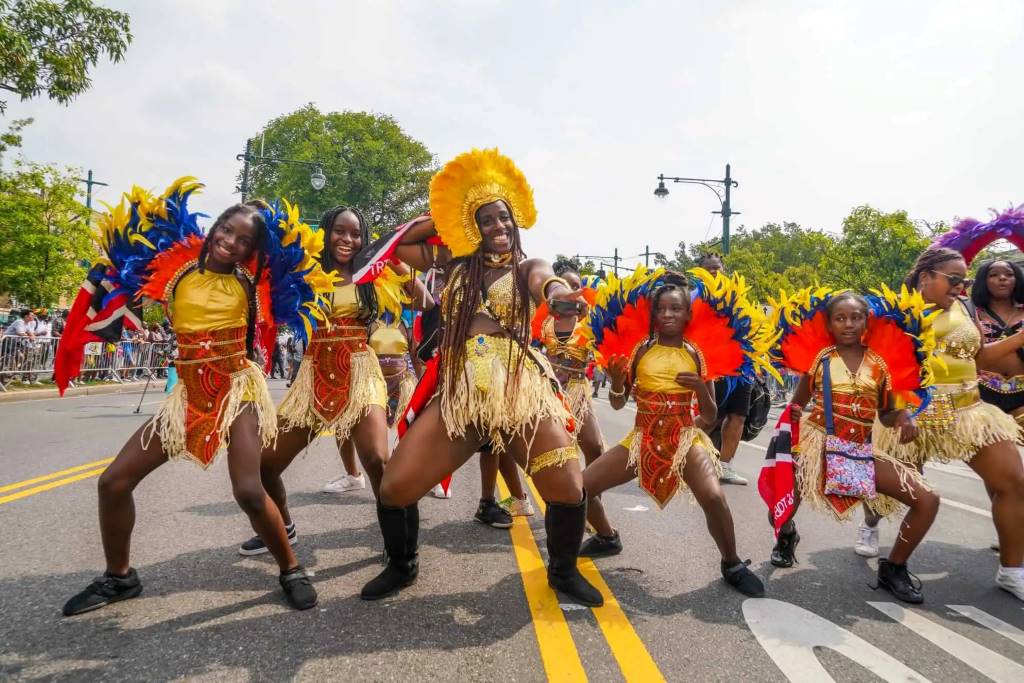
The parade is a dynamic celebration of Caribbean heritage, highlighting music, dance, and cuisine from nations like Barbados, Grenada, and Jamaica. Masquerade bands, or “mas bands,” wear elaborate costumes with feathers and sequins, reflecting Carnival traditions from Trinidad and Tobago. Steelpan and soca music fill the air, while food stalls offer jerk chicken, roti, and curried goat, celebrating culinary diversity.
This event fosters community pride and unity, drawing 1–3 million spectators annually, according to the NYC Tourism Board. It’s a platform for political expression and cultural preservation, connecting the diaspora to their roots. My experience tasting authentic Trinidadian doubles at a parade stall deepened my appreciation for the shared cultural tapestry that defines this festival.
Tips for Attending the West Indian Day Parade NYC
Planning your visit to the West Indian Day Parade program NYC ensures a safe and enjoyable experience. Here are practical tips to enhance your day:
- Arrive Early: Reach Eastern Parkway by 10 a.m. to secure a good viewing spot near the Brooklyn Museum.
- Travel Smart: Use the 2/3 subway to Eastern Parkway/Brooklyn Museum station; avoid driving due to street closures.
- Stay Safe: Keep valuables secure and stay aware of crowds, especially post-parade when incidents have occurred.
- Dress Comfortably: Wear lightweight clothing and comfortable shoes for a day of standing and dancing.
- Bring Cash: Food vendors often accept cash only for Caribbean dishes like jerk chicken.
In 2024, I followed these tips and found a prime spot early, enjoying uninterrupted views of the vibrant floats. Check WIADCA’s website for updates.
Safety Considerations and Past Challenges
Safety is a priority at the West Indian Day Parade, given past incidents. In 2024, a shooting injured five people, though police deemed it targeted, not random, per NYPD reports. The NYPD deploys drones, cameras, and 13 security checkpoints to ensure safety. J’Ouvert, starting at 6 a.m., has historically seen more incidents, so daytime attendance is safer.
Organizers and police collaborate with community leaders to maintain peace. WIADCA President Yolanda Lezama-Clark emphasizes the parade’s focus on cultural pride, not violence. My 2023 visit felt secure with visible police presence, allowing me to focus on the festivities. Arrive early, stay vigilant, and leave before nightfall to enjoy safely.
How to Participate in the West Indian Day Parade

Joining the parade as a masquerader is a thrilling way to engage. Register with a mas band through WIADCA’s website to wear a costume and dance with a group. Costs range from $100–$500, depending on costume complexity. Bands are judged on theme, creativity, and energy, rooted in Trinidadian Carnival traditions.
Alternatively, volunteer with WIADCA for roles like event setup or crowd management. Spectators can line Eastern Parkway, but only registered masqueraders with wristbands can march. In 2019, I watched friends join a mas band, their vibrant costumes and synchronized dances stealing the show, inspiring me to consider participating next time.
Read Also:
NYC Live Music Calendar – Concerts, Gigs And Music Events
New York’s Year-Round Tapestry of Unforgettable Annual Events
Food and Music Highlights of the Parade
The West Indian Day Parade program NYC is a feast for the senses, with food and music at its core. Food stalls along Eastern Parkway serve Caribbean staples like:
- Jerk Chicken: Spicy, smoky grilled chicken from Jamaica.
- Roti: Trinidadian flatbread wrapped around curried fillings.
- Doubles: Trinidad’s chickpea sandwich, a street food favorite.
Soca, reggae, and calypso music dominate, with steelpan orchestras and DJs on floats. Over 500,000 attendees enjoy these sounds annually, per WIADCA data. At the 2023 parade, I savored roti while swaying to a steel band’s rhythm, a perfect blend of culture and flavor.
Street Closures and Transportation Tips
The parade impacts Brooklyn’s traffic, with closures from September 1–2, 2025, including:
- St. Johns Place (Underhill Ave to Grand Army Plaza)
- Rockaway Parkway (East New York Ave to Rutland Road)
- Bedford Avenue (Eastern Parkway to Empire Blvd)
Take the 2/3 train to Eastern Parkway/Brooklyn Museum for easy access. Parking is limited, but a lot exists behind the Brooklyn Museum. In 2024, I used the subway and avoided traffic hassles, arriving stress-free. Check NYC’s transportation site for updates.
Community Impact and Economic Benefits
The West Indian Day Parade boosts Brooklyn’s economy and community spirit. It generates millions in revenue for local businesses, with food vendors and artisans thriving. According to a 2019 NYC Economic Development Corporation report, cultural events like the parade contribute over $300 million annually to NYC’s economy. The event also strengthens Caribbean community ties, promoting cultural pride.
Vendors like Eli, a long-time parade seller, report increased earnings, per Brooklyn News Service. My conversations with vendors in 2023 highlighted their pride in sharing Caribbean culture, reinforcing the parade’s role as a communal and economic cornerstone.
Conclusion
The West Indian Day Parade program NYC is a dazzling celebration of Caribbean culture, uniting millions through music, costumes, and food. From its Harlem roots to its current Brooklyn grandeur, this Labor Day event showcases the diaspora’s pride and resilience. Whether you join a mas band, savor jerk chicken, or dance to soca, the parade offers unforgettable moments. Plan your visit, arrive early, and immerse yourself in this cultural gem. Share your parade experiences or tips in the comments below, or spread the word about this vibrant festival!
FAQs
What is the West Indian Day Parade in NYC?
It’s an annual Labor Day event in Brooklyn celebrating Caribbean culture with music, costumes, and food, drawing 1–3 million people.
When and where does the parade take place?
The parade is on September 1, 2025, along Eastern Parkway, from Utica Avenue to Grand Army Plaza, 11 a.m.–6 p.m.
How can I participate in the parade?
Register with a mas band via WIADCA’s website to march in costume or volunteer for event roles.
Is the parade safe to attend?
Yes, with NYPD security like drones and checkpoints. Arrive early and stay vigilant for a safe experience.
What food can I expect at the parade?
Enjoy Caribbean dishes like jerk chicken, roti, and doubles from food stalls along Eastern Parkway.