
Central Park is a world-renowned urban oasis in the heart of New York City, attracting millions of visitors every year. While most people admire its landscapes, lakes, and famous landmarks, few take the time to appreciate the numerous sculptures scattered throughout the park. Some of these sculptures, despite their artistic and historical significance, have faded into obscurity.
These forgotten sculptures hold stories of cultural evolution, artistic ambition, and shifting societal values. Many of them were once celebrated but now stand unnoticed as newer attractions take the spotlight. In this article, we will uncover the hidden artistic gems of Central Park, their history, and why they deserve renewed recognition.
The Overlooked Art of Central Park
A Park with Over 50 Sculptures
Central Park boasts over 50 sculptures, ranging from grand statues of historical figures to whimsical animal depictions. While many visitors flock to see well-known monuments like the Bethesda Fountain or the Alice in Wonderland statue, lesser-known pieces are often ignored. Some have been neglected due to their secluded locations, while others have lost relevance in contemporary discussions.
One reason these sculptures go unnoticed is the park’s massive size—spanning 843 acres. With so much to see, visitors tend to focus on the most famous spots, unintentionally overlooking artistic treasures that are just a few steps away.
Changing Public Interests and Cultural Relevance
Public interest in sculptures has changed over the years. In the early 20th century, statues were commissioned to honor political leaders, military heroes, and literary figures. However, as societal values evolved, new installations reflecting modern themes gained more attention.
For example, statues of figures like Christopher Columbus and former politicians have sparked controversy in recent years, leading to debates about their relevance. Meanwhile, other statues, such as those depicting lesser-known poets or historical figures, have been forgotten simply because they no longer resonate with modern audiences.
Notable Forgotten Sculptures in Central Park
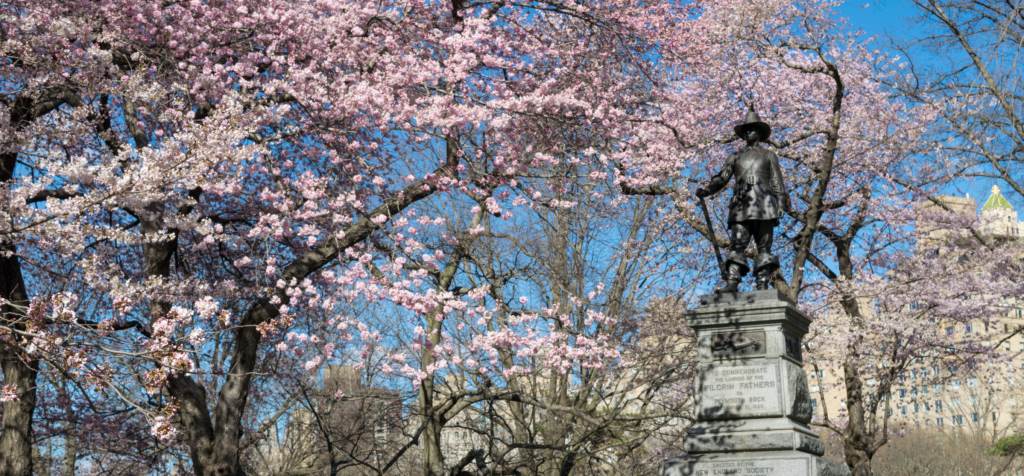
1. The Pilgrim (1885)
Located near the 72nd Street entrance, “The Pilgrim” is a bronze statue sculpted by John Quincy Adams Ward. It was erected to honor early American settlers but is often overshadowed by the more prominent “Strawberry Fields” memorial nearby.
Despite its historical significance, few visitors stop to admire this work. Over time, the weathering of the bronze and the dense foliage around it have made it blend into the background, further contributing to its obscurity.
2. The Indian Hunter (1866)
This powerful sculpture by John Quincy Adams Ward depicts a Native American hunter with his dog, bow in hand, symbolizing strength and survival. Unlike statues of historical European figures, “The Indian Hunter” represents Indigenous resilience.
However, due to changing perspectives on how Native Americans are represented in art, this statue receives little attention compared to others in the park. Discussions about whether it portrays Native American culture accurately have also led to its gradual fading from public consciousness.
3. Richard Morris Hunt Memorial (1898)
Richard Morris Hunt was one of America’s most influential architects, responsible for designing landmarks like The Metropolitan Museum of Art’s façade. His memorial, located near the Fifth Avenue and 70th Street entrance, consists of a bronze bust surrounded by a semicircular granite bench.
Although it honors a man who helped shape New York’s architectural landscape, the sculpture is often missed by visitors. Its placement near a busy park entrance means that most people walk by without noticing its artistic and historical value.
4. Balto (1925) – A Story Overshadowed
The Balto statue, dedicated to the heroic sled dog that helped save lives during the 1925 diphtheria outbreak in Alaska, is more familiar than the previous examples. However, it has lost much of its significance in today’s world.
In an era dominated by digital entertainment, Balto’s story is not as widely taught, and younger generations may not fully appreciate its importance. Unlike the newer installations that cater to interactive experiences, this traditional bronze statue remains static, waiting for those who still remember its legacy.
Why Do These Sculptures Matter?
1. Preserving Historical and Cultural Narratives
Each forgotten sculpture in Central Park represents a chapter in history. Whether it honors a pioneer, a Native American, an architect, or a heroic dog, these statues provide a tangible link to the past.
When sculptures are ignored, we risk losing touch with the stories they tell. Public awareness campaigns, guided sculpture tours, and digital initiatives can help revive interest in these forgotten pieces.
2. A Hidden Art Museum in the Open Air
Art galleries and museums require tickets, but Central Park’s sculptures offer free access to high-quality artistic works. Unlike traditional museums, visitors can experience these sculptures in a natural setting, making the experience more immersive.
Reviving interest in forgotten sculptures could turn Central Park into a more engaging open-air museum, attracting both tourists and locals to rediscover its artistic wonders.
3. A Call for Restoration and Recognition
Many neglected sculptures suffer from weathering, vandalism, and lack of maintenance. The city allocates resources primarily to major attractions, leaving lesser-known sculptures in need of restoration.
Community-driven initiatives, such as local fundraising efforts or partnerships with art preservation organizations, could ensure these sculptures receive the care they deserve.
How Can We Rediscover These Hidden Treasures?
1. Interactive Digital Maps and QR Codes
One solution is to integrate technology with art appreciation. By installing QR codes near sculptures, visitors can scan them to access information, historical facts, and even audio guides.
Additionally, an interactive map highlighting forgotten sculptures could guide visitors on an art-themed exploration of the park.
2. Educational Programs and Guided Tours
Park authorities and cultural organizations could develop educational programs that include sculpture-focused tours. By incorporating historical storytelling, these tours could make forgotten sculptures more engaging.
3. Social Media Awareness Campaigns
Using platforms like Instagram and TikTok, Central Park could run campaigns encouraging visitors to find and photograph these sculptures. A hashtag challenge, such as #ForgottenArtNYC, could help bring visibility to these hidden masterpieces.
Conclusion
Forgotten sculptures of Central Park are more than just decorative elements; they are windows into history, art, and cultural shifts. While many statues have faded from public attention, their stories and artistic value remain intact, waiting to be rediscovered.
Through digital initiatives, guided tours, and restoration efforts, we can breathe new life into these neglected works of art. By taking a moment to notice and appreciate them, visitors can turn an ordinary stroll through Central Park into a journey through history and creativity.
FAQs
1. How many sculptures are in Central Park?
There are over 50 sculptures scattered throughout Central Park, depicting historical figures, fictional characters, and cultural icons.
2. Which is the most famous sculpture in Central Park?
The most famous sculpture is the Alice in Wonderland statue, which attracts families and tourists due to its whimsical design and interactive elements.
3. Why are some sculptures in Central Park forgotten?
Many sculptures are forgotten due to their secluded locations, changes in public interest, and lack of promotion in modern cultural discussions.
4. Are there guided tours focused on sculptures in Central Park?
Yes, several organizations offer guided sculpture tours, including the Central Park Conservancy, which highlights both famous and lesser-known works.
5. How can I learn more about Central Park’s sculptures?
You can visit the Central Park Conservancy website, explore interactive digital maps, or join local history and art groups that focus on New York’s public art.