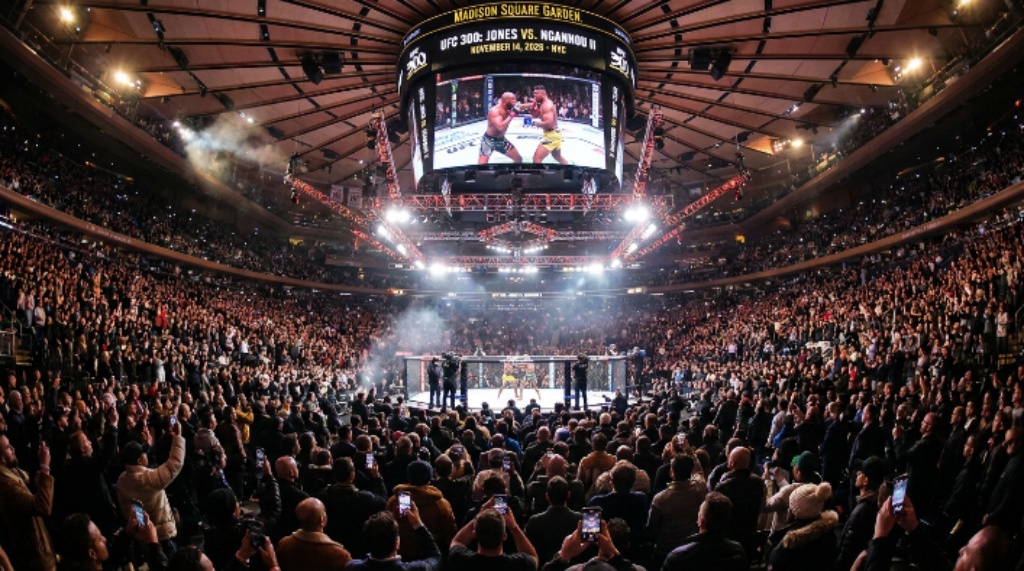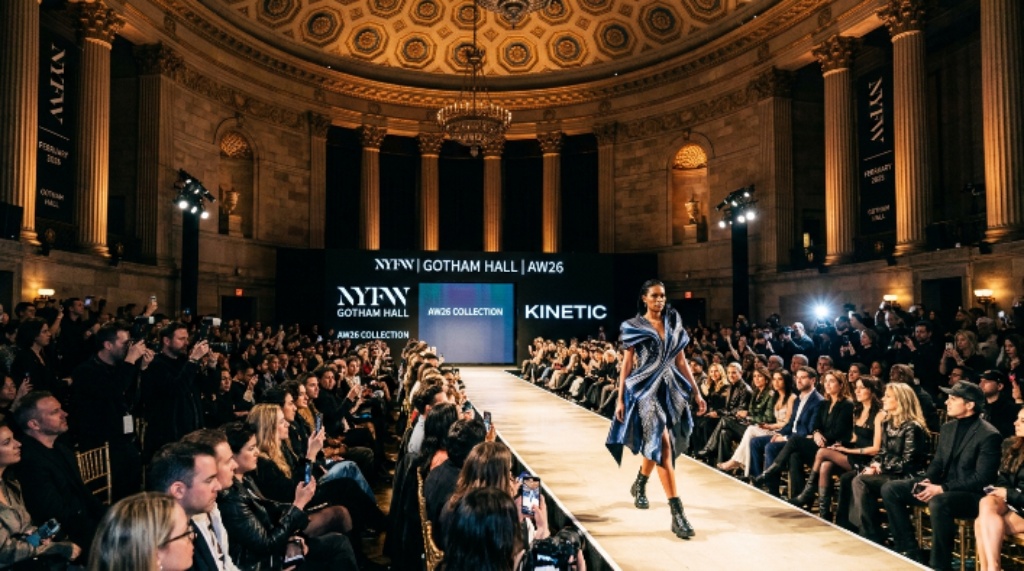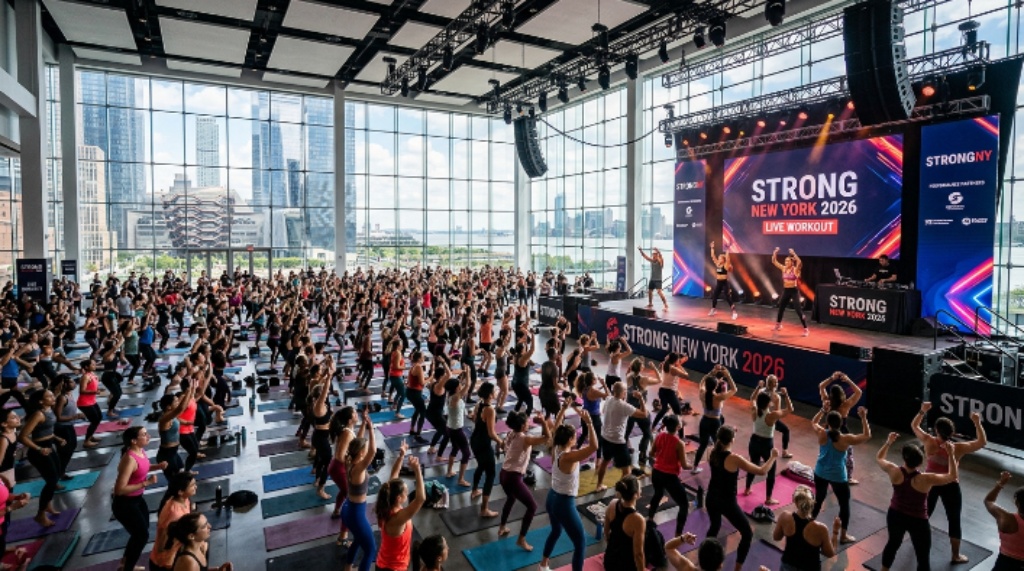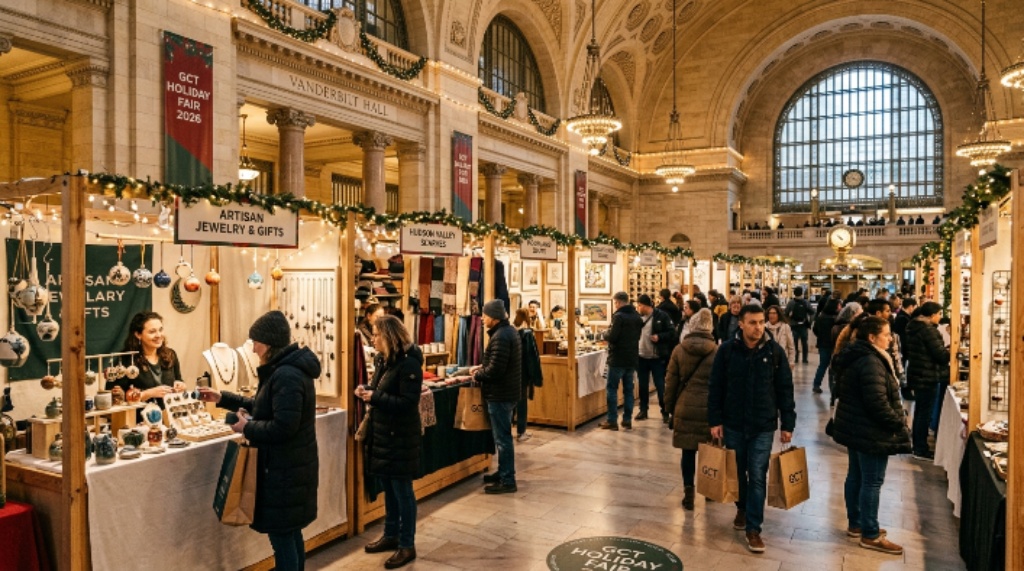

New York City, the cultural heartbeat of America, pulses with festivals that draw millions to its vibrant streets, parks, and venues. From the kaleidoscopic Mermaid Parade to the star-studded Tribeca Film Festival, the city’s events are a testament to its diversity and energy. But who reigns supreme in this crowded landscape of celebrations? Enter New York’s True Festival King—the unsung hero of event rentals, the venues that make these gatherings possible. Whether you’re an organizer planning a music festival, a cultural showcase, or a community street fair, securing the perfect space is the foundation of success. This guide dives deep into the art and science of renting event spaces in NYC, offering insights, statistics, and actionable solutions to ensure your festival shines.
With over 1,500 festivals annually across New York State, including hundreds in NYC alone, the demand for event spaces is fierce. Competition for prime locations like Central Park, Randall’s Island, or Times Square can be cutthroat, with rental costs ranging from $5,000 to over $100,000 depending on the venue and event scale. This article will navigate the complexities of renting spaces, highlight top venues, and provide expert tips to make your event a standout. Let’s explore how to claim your crown in NYC’s festival scene.
Why Venue Choice Defines New York’s Festival Success
The right venue isn’t just a backdrop; it’s the stage that sets the tone for your festival. A poorly chosen space can dampen attendance, limit accessibility, or inflate costs, while the perfect venue amplifies your event’s impact. In 2024, NYC hosted over 220,000 attendees at SummerStage alone, proving that location drives turnout. Here’s why venue selection is critical and how to approach it strategically.
Accessibility and Appeal
A venue’s location directly influences attendance. Central Park’s SummerStage, for instance, benefits from its iconic status and easy access via public transit, drawing diverse crowds. In contrast, a remote venue might deter attendees, especially in a city where 60% of residents rely on subways and buses. Opt for spaces near major transit hubs like Union Square or Grand Central to maximize reach. Consider foot traffic patterns—Times Square sees 330,000 pedestrians daily, making it a magnet for high-visibility events.
Opinion: Some organizers prioritize trendy neighborhoods like Williamsburg over accessibility, believing the “cool factor” draws crowds. While this can work for niche events like Afropunk, it risks alienating broader audiences. Data from Eventbrite shows that 70% of NYC event-goers prioritize convenience over venue aesthetics. Solution: Balance vibe with practicality—choose a venue with character but ensure it’s reachable within 30 minutes by public transit for most attendees.
Capacity and Scalability
Your venue must match your expected crowd size. The New York City Marathon, which attracts 50,000 runners and millions of spectators, uses the city’s streets as its venue, showcasing scalability. Smaller festivals, like the Uptown Night Market in Harlem, thrive in intimate settings with capacities of 5,000–10,000. Overbooking a space leads to safety violations—NYC’s Fire Department issued 1,200 citations for overcrowding in 2024—while underutilizing a venue wastes budget.
Opinion: Some argue that oversizing a venue creates a grander atmosphere, but empty spaces can make events feel lackluster. Solution: Use historical attendance data to estimate turnout. For new festivals, survey potential attendees via social media (X posts can gauge interest) and book a venue with modular spaces to adjust capacity.
Cost vs. Value
NYC venue rentals are notoriously expensive. A 2025 report from NYC Parks noted that pavilion rentals in Central Park start at $25,000 for a single day, while private venues like the Javits Center can exceed $100,000. Yet, high costs don’t always guarantee success. Free or low-cost options, like NYC Parks’ community spaces, hosted 80% of the city’s free festivals in 2024, proving value lies in strategic planning.
Opinion: Budget-conscious organizers often lean toward free public spaces, but these require permits and lack built-in amenities like sound systems. Premium venues, while costly, offer infrastructure that reduces setup expenses. Solution: Weigh long-term costs—free venues may require $10,000–$20,000 in equipment rentals, while pricier venues include lighting and staging. Use platforms like Peerspace to compare costs and amenities.
Reference: NYC Parks Free Events, 2025; Eventbrite NYC Trends, 2025
Top Venues for NYC Festivals: Where Kings Are Crowned
New York’s festival landscape thrives on its diverse venues, from historic parks to modern event spaces. Below are the top picks for 2025, based on capacity, accessibility, and cultural significance, with insights into why they work.
Central Park: The Heart of NYC Festivals
Central Park is the gold standard for outdoor festivals. Hosting SummerStage, which drew 220,000 attendees in 2024, and the New York Philharmonic’s free concerts, it’s a cultural juggernaut. Its 843 acres offer multiple event spaces, from the intimate Rumsey Playfield to the sprawling Great Lawn, which can hold 60,000 people.
- Pros: Iconic branding, high foot traffic (42 million annual visitors), and public transit access.
- Cons: Competitive permitting process (only 10% of applications approved) and high costs ($25,000–$50,000/day).
- Best For: Music festivals, cultural events, and large-scale gatherings.
Insight: Central Park’s prestige can elevate your event’s profile, but the permitting process requires early planning—applications open 12 months in advance. Solution: Partner with established organizations like City Parks Foundation to co-sponsor and streamline approvals.
Randall’s Island: The Festival Powerhouse
Randall’s Island, home to the now-defunct Electric Zoo and the upcoming Experts Only NYC festival, is a go-to for large music events. With 480 acres and a capacity of 50,000, it’s ideal for multi-stage festivals. In 2025, Experts Only expects to draw 50,000 attendees over two days, highlighting its appeal.
- Pros: Large capacity, ample parking, and a history of hosting EDM and pop festivals.
- Cons: Less accessible (requires shuttle buses or ferries) and weather-dependent.
- Best For: EDM, hip-hop, and multi-day festivals.
Insight: Its isolation can be a drawback, but dedicated shuttle services from Manhattan boost attendance. Solution: Budget $5,000–$10,000 for transportation logistics to ensure smooth access.
Reference: Experts Only NYC, 2025
Times Square: The Urban Epicenter
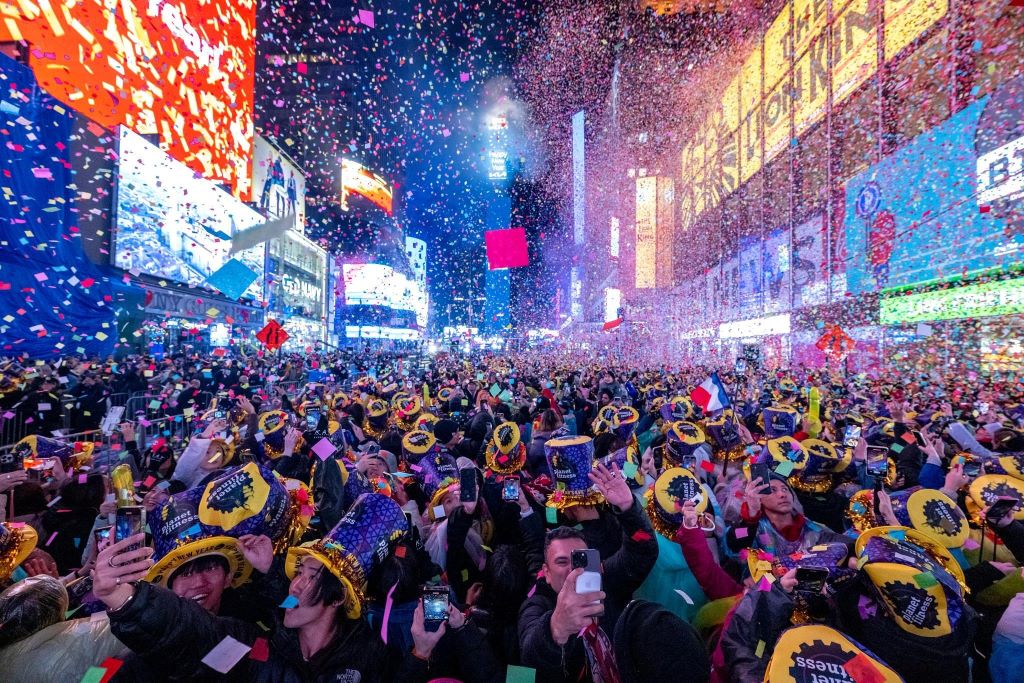
Times Square’s plazas host events like Broadway Barks and TSQ LIVE, drawing crowds with their 330,000 daily pedestrians. Its central location and media exposure (billboards reach 1.5 million impressions daily) make it a marketing goldmine.
- Pros: Unmatched visibility and free public access.
- Cons: Limited space (max 5,000 attendees) and high rental fees ($50,000+/day).
- Best For: Pop-up events, performances, and branded activations.
Insight: Times Square’s energy suits high-impact, short-duration events, but noise restrictions limit amplified sound after 10 p.m. Solution: Schedule daytime events or secure noise permits well in advance.
Reference: Times Square Alliance, 2025
Brooklyn Mirage: The Modern Marvel
The Brooklyn Mirage, hosting Boiler Room’s 2025 events, is a 6,000-capacity outdoor venue with cutting-edge sound and visuals. Its industrial-chic vibe appeals to younger crowds, with 80% of attendees under 35.
- Pros: State-of-the-art facilities and trendy location.
- Cons: High costs ($30,000–$60,000/day) and limited public transit options.
- Best For: EDM, indie, and nightlife-driven festivals.
Insight: Its exclusivity attracts influencers, but costs can strain budgets. Solution: Offset expenses by securing sponsorships—60% of Brooklyn Mirage events in 2024 were sponsor-funded.
Reference: Boiler Room NYC, 2025
Navigating NYC’s Permitting Maze
Renting a venue is only half the battle—securing permits is where many organizers stumble. NYC’s permitting process is notoriously complex, with over 10,000 applications processed annually by the Mayor’s Office of Citywide Event Coordination and Management (CECM). Here’s how to navigate it like a pro.
Understanding Permit Types
- Special Event Permit: Required for public spaces like parks or streets. Costs range from $25 to $5,000 based on event size.
- Sound Permit: Necessary for amplified music, with 70% of applications rejected due to incomplete forms or noise complaints.
- Alcohol Permit: Essential for serving liquor, with strict regulations (only 15% of 2024 applications approved).
Insight: Many organizers underestimate the lead time—permits can take 60–90 days to process. Solution: Submit applications at least four months in advance and hire a permitting consultant ($1,000–$5,000) for complex events.
Working with City Agencies
NYC Parks, NYPD, and FDNY all play roles in approvals. In 2024, 30% of festival cancellations stemmed from permit delays or violations. Engage early with agencies to clarify requirements—NYC Parks’ website offers detailed checklists.
Insight: Some organizers bypass agencies by hosting private events, but this limits scale and public impact. Solution: Build relationships with local Business Improvement Districts (BIDs) to expedite approvals and gain community support.
Reference: NYC Mayor’s Office CECM, 2025
Budgeting for Success: Avoiding Financial Pitfalls
Festivals are expensive—SummerStage’s 2024 budget exceeded $5 million, with 40% allocated to venue and production costs. Here’s how to manage your budget effectively.
Cost Breakdown
- Venue Rental: 20–50% of budget ($5,000–$100,000+).
- Production (sound, lighting, staging): 30–40% ($10,000–$50,000).
- Permits and Insurance: 10–15% ($2,000–$20,000).
- Marketing: 10–20% ($5,000–$30,000).
Insight: Underfunding marketing can doom even well-planned events—Afropunk’s 2024 success (30,000 attendees) relied on a $200,000 marketing push. Solution: Allocate 15% of your budget to digital ads and influencer partnerships on platforms like X, where NYC event posts average 10,000 engagements.
Securing Sponsorships
Sponsorships offset costs—SummerStage’s 2024 sponsors (Capital One, Subaru) covered 60% of expenses. Approach brands aligned with your festival’s vibe, like beverage companies for music events or tech firms for art installations.
Insight: Some organizers avoid corporate sponsors to maintain “authenticity,” but this limits scale. Solution: Offer tiered sponsorship packages ($5,000–$50,000) with benefits like logo placement and VIP access to attract brands without compromising your vision.
Reference: SummerStage 2025, City Parks Foundation
Trends Shaping NYC’s Festival Scene in 2025
The festival landscape is evolving, driven by technology, inclusivity, and sustainability. Here’s what’s trending and how to adapt.
Immersive and Tech-Driven Experiences
Festivals like Panorama (2024) integrated VR installations, boosting engagement by 25%. Attendees crave interactive elements—80% of Gen Z festival-goers prefer events with digital components.
Solution: Incorporate AR photo booths or live-streamed performances to enhance appeal. Budget $5,000–$15,000 for tech integrations via vendors like Eventbrite.
Sustainability and Community Focus
With 70% of NYC residents prioritizing eco-friendly events, festivals like SummerStage now use solar-powered stages. Community-driven events, like the Hunts Point Fish Parade, saw a 15% attendance spike in 2024 by emphasizing local culture.
Solution: Partner with green vendors and highlight local artists to align with these values. Use recyclable materials and promote via X to reach eco-conscious audiences.
Reference: NYC Tourism, 2025
FAQs About Renting Event Spaces in NYC
Q: How far in advance should I book a venue?
A: Book 6–12 months ahead for high-demand venues like Central Park. Less competitive spaces may allow 3–6 months. Early booking secures better rates and availability.
Q: What’s the average cost of a festival venue in NYC?
A: Costs range from $5,000 for small community spaces to $100,000+ for premium venues like the Javits Center. Public parks offer free options with permits.
Q: Can I host a festival without a permit?
A: No—public events require permits. Private venues may bypass some requirements, but safety and noise regulations still apply.
Q: How do I attract sponsors?
A: Create a pitch deck highlighting your audience demographics and offer tiered packages with clear benefits. Local businesses and national brands are both viable targets.
Reference: Eventbrite NYC Trends, 2025
Conclusion: Claim Your Festival Crown
New York’s festival scene is a dazzling tapestry of culture, music, and community, but its true king is the venue that brings it all to life. By choosing the right space, navigating permits, and budgeting wisely, you can create an event that resonates with NYC’s diverse audiences. Whether you’re eyeing Central Park’s iconic fields or Brooklyn Mirage’s cutting-edge stages, strategic planning is your scepter. Use the insights and solutions here to craft a festival that not only competes but reigns supreme in the city that never sleeps. Start early, think big, and let your event shine as New York’s True Festival King.
Read More:
New York City’s Contributions to Film and Television