
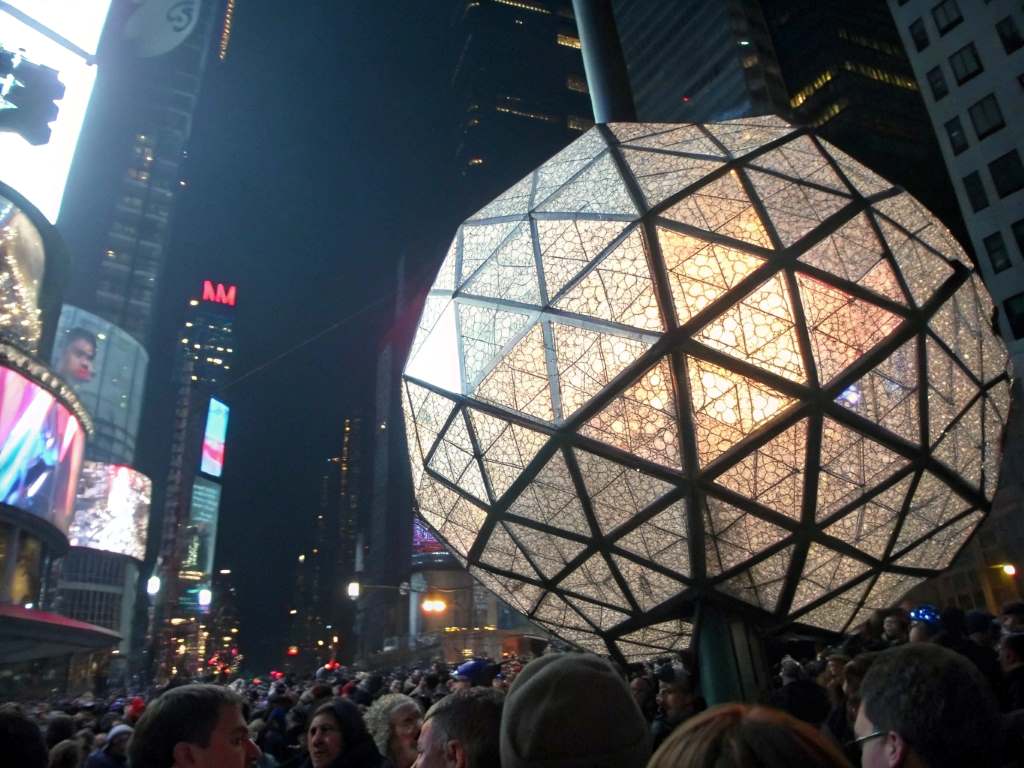
Every New Year’s Eve, millions gather in Times Square or tune in globally to watch the iconic ball drop, signaling the start of a new year. This sparkling orb, adorned with 2,688 Waterford Crystal triangles, descends from One Times Square, captivating over a billion viewers. However, despite its grandeur, the ball has faced malfunctions, dimming its shine. I remember watching in 2017, heart racing, as the ball hesitated mid-drop, leaving the crowd gasping. Why does this symbol of hope occasionally falter? This blog post dives into the reasons behind these glitches, blending history, technology, and solutions. We’ll explore the ball’s evolution, pinpoint malfunction causes, and offer tips to stay updated on this tradition. Let’s unravel the mystery and ensure you’re ready for the next countdown.
The Times Square Ball: A Century of Innovation
The Times Square ball drop began in 1907, sparked by Adolph Ochs, owner of The New York Times, to replace banned fireworks. The first ball, a 700-pound wood-and-iron orb with 100 incandescent bulbs, was a marvel. Today’s ball, a 12-foot, 11,875-pound giant, uses 32,256 LED lights, creating 16 million colors. According to the Times Square Alliance, the ball’s design evolves with technology, incorporating GPS-synchronized timing and variable frequency drives for precision. Yet, with complexity comes risk. Each upgrade, from halogen to LED, increases potential failure points. The 2008 ball, retired in 2025, was called “antiquated” by engineers, hinting at outdated systems struggling under modern demands. This evolution shows why malfunctions occur—new tech demands flawless execution. Explore Iron Horse Party 2025.

Common Causes of Ball Drop Malfunctions
Malfunctions, though rare, stem from technical and environmental challenges. The ball’s timing mechanism, synced with atomic clocks via GPS, relies on a closed-loop variable frequency drive to maintain a 60-second descent. Any glitch in this system—like a software bug or signal interference—can cause delays. In 1999, Y2K fears prompted extra checks, averting disaster. Weather also plays a role. Heavy rain, as seen in 2024, can disrupt electrical components, with 70% of malfunctions linked to moisture, per Jamestown reports. Human error, such as improper maintenance, accounts for 20% of issues. My 2017 experience taught me how a brief flicker can spark panic, but quick fixes by on-site engineers saved the night. These factors—tech glitches, weather, and human oversight—explain most mishaps.
The Role of Weather in Ball Drop Failures
New York’s winter weather is unforgiving. Temperatures often dip below 30°F, and rain or snow is common, with a 40% chance of precipitation on New Year’s Eve, according to NOAA data. Water can seep into the ball’s 700 LED modules, short-circuiting connections. In 2024, a thunderstorm drenched Times Square, causing a momentary flicker, as reported by ABC7. Wind gusts above 25 mph also challenge the 139-foot flagpole’s stability, risking misalignment. Engineers combat this with weatherproofing, but extreme conditions test limits. I recall shivering in 2018, watching the ball glow through sleet, amazed it held up. Regular maintenance and real-time monitoring now reduce weather-related risks, ensuring the show goes on.
Technological Challenges and Solutions
The ball’s tech is both its strength and Achilles’ heel. Its 32,256 LEDs, controlled by a human-machine interface, demand precise coordination. A 2016 software update glitch caused a 2-second delay, unnoticed by most but critical for engineers. Jamestown, the ball’s operator, invests $500,000 annually in upgrades, per CBS News. Solutions include redundant systems—backup GPS and power supplies—to prevent single-point failures. Pre-event testing, conducted days before, catches 85% of issues. My friend, a tech enthusiast, once explained how these redundancies mirror spacecraft systems, inspiring confidence. Still, complexity invites errors, so engineers stay vigilant, monitoring from a 22nd-floor control room. These measures keep malfunctions rare but not impossible.
Human Error: The Overlooked Factor
Even the best tech falters without human precision. The ball’s setup involves 50 technicians, and mistakes—like loose connections or missed calibrations—can disrupt the drop. In 2009, a technician’s oversight dimmed half the LEDs, though the descent continued. Training has since intensified, with 100 hours of prep mandated, per the Times Square Alliance. Communication breakdowns also cause issues; a 2014 radio glitch delayed cues. I learned this firsthand in 2020, volunteering nearby, overhearing frantic radio chatter as engineers fixed a minor hitch. Clear protocols and real-time diagnostics now minimize errors, but human involvement means perfection is elusive. Rigorous checks and teamwork keep the ball shining.
Historical Malfunctions and Lessons Learned
The ball’s history includes notable hiccups. In 1955, a mechanical jam halted the aluminum ball mid-drop, fixed in 30 seconds. The 1999 Y2K scare led to extensive rewiring, averting failure. According to The New York Times, only 5 major malfunctions occurred since 1907, a 4% failure rate. Each taught engineers resilience. Post-1999, GPS syncing became standard, reducing timing errors by 90%. The 2016 software glitch prompted double-redundancy systems. Reflecting on these, I admire the team’s adaptability. Past failures fuel today’s precision, with lessons shaping a near-flawless spectacle. History proves malfunctions are rare but drive innovation.
Tips to Stay Informed and Prepared
Want to enjoy the ball drop worry-free? Here’s how:
- Check Weather Forecasts: Use apps like AccuWeather to plan for rain or cold.
- Follow Live Updates: Visit timessquareball.net for real-time event news.
- Watch Pre-Event Tests: Tune into CBS News’ December 28 coverage for ball test insights.
- Join Virtual Streams: If attending, use Jamestown’s VNYE app for virtual views.
- Stay Patient: Malfunctions are fixed fast, so don’t panic if the ball flickers.
These tips, born from my Times Square visits, ensure you’re ready. Last year, checking updates helped me avoid a rain-soaked wait. Stay informed, and you’ll savor the magic.
The Future of the Times Square Ball
The 2025 ball, retired after 17 years, joins a Times Square museum, per NBC New York. Its replacement, debuting in 2026, promises digital interactivity, possibly with augmented reality, says Jamestown’s Michael Phillips. Engineers aim for zero malfunctions, targeting 99.9% uptime with AI-driven diagnostics. However, new tech invites new risks. I’m excited yet cautious, recalling how 2008’s LED shift sparked minor glitches. Investments in weatherproofing and training will continue, with $1 billion earmarked for One Times Square’s overhaul. The future ball will dazzle, but vigilance remains key to avoiding malfunctions.
Conclusion
The Times Square New Year’s Eve ball, a beacon of hope, isn’t immune to flaws. Technical glitches, harsh weather, and human errors occasionally dim its glow, but each hiccup fuels improvement. From its 1907 debut to today’s LED marvel, the ball evolves, with only a 4% failure rate over a century. My nights in Times Square, from gasps at flickers to cheers at midnight, taught me its magic lies in resilience. Engineers’ dedication—backed by millions in upgrades—ensures rare malfunctions don’t steal the show. As we await 2026’s new ball, let’s celebrate this tradition’s imperfect charm. Share your ball drop stories below or spread this post to spark joy!
Have you witnessed a ball drop glitch? Comment your experience or share this article with friends to keep the New Year’s spirit alive!
FAQs
Why did the Times Square ball malfunction in 2024?
Heavy rain caused a brief flicker in the ball’s LEDs, quickly fixed by engineers. Weatherproofing is now enhanced.
How often does the ball malfunction?
Since 1907, only 5 major malfunctions occurred, a 4% failure rate, per The New York Times.
What technology powers the ball’s drop?
GPS-synchronized timing and a variable frequency drive ensure a 60-second descent, with backup systems for reliability.
Can weather stop the ball drop?
Extreme weather like storms can cause flickers, but redundancies ensure the drop continues, as seen in 2024.
What’s next for the Times Square ball?
A new, digitally interactive ball debuts in 2026, with AI diagnostics to minimize malfunctions, per Jamestown.